MY FIRST YEAR ————– 1961
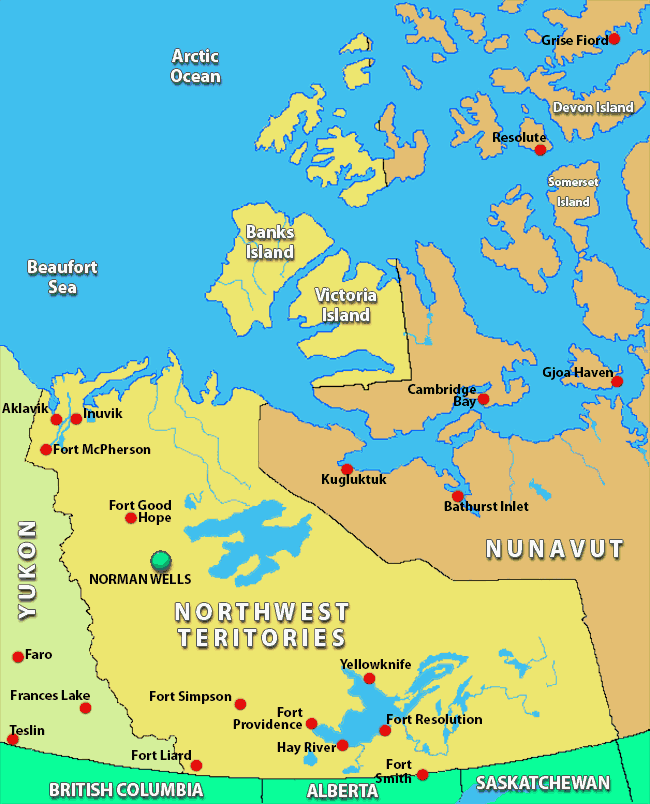
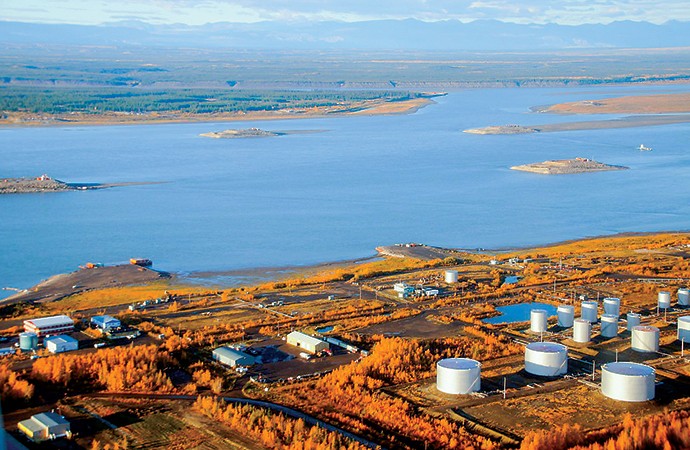
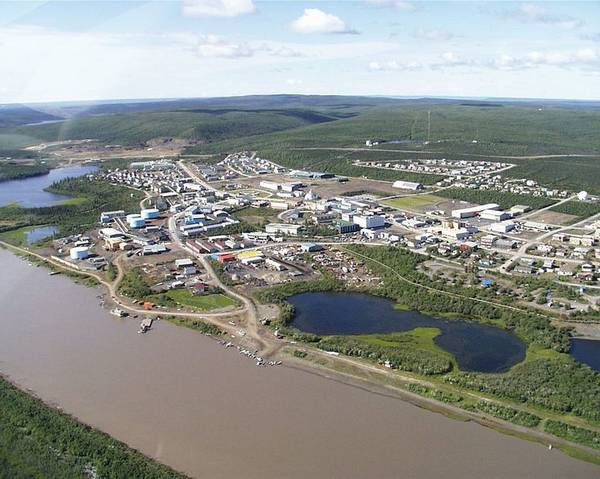
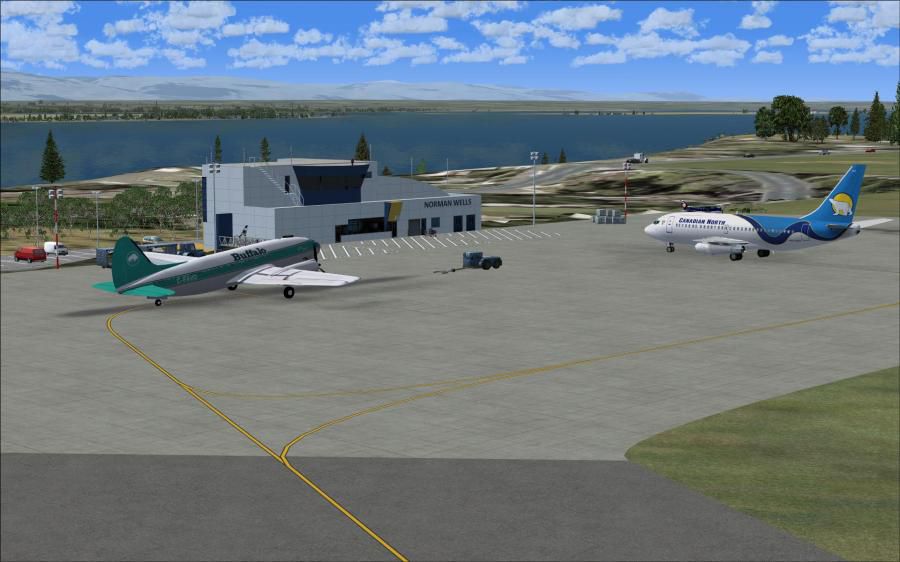
On the way to Inuvik, the DC 4 stopped for a short while at Norman Wells. Norman Wells is nearly 2800 Km from Edmonton. Population around 800.


Norman Wells was very important as an Imperial Oil development along the MacKenzie River in the Sahtu region of the North West Territories. Norman Wells is located on the north side of the MacKenzie river. Did you know that oil was discovered in Norman Wells area over a hundred years ago? A prospector J.K. Cornwall investigated oil seeps and discovered they consisted of high quality crude oil. Imperial Oil obtained leases and sent a drilling crew north. In 1920 they struck oil near the current site of Norman Wells.(Norman Wells Historical Society)

The Americans were concerned about a possible Japanese threat and built the Alaska Highway and connected to the Norman Wells oilfield. Thus a pipeline between Norman Wells, NWT and Whitehorse, Yukon and then to Alaska.


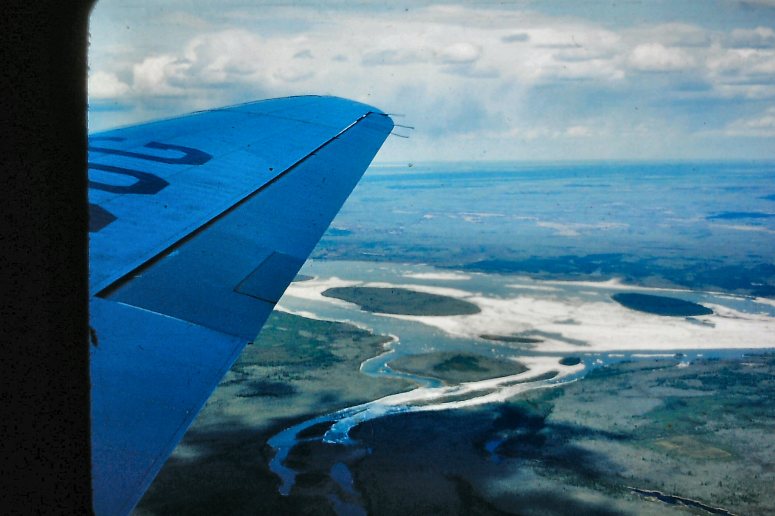
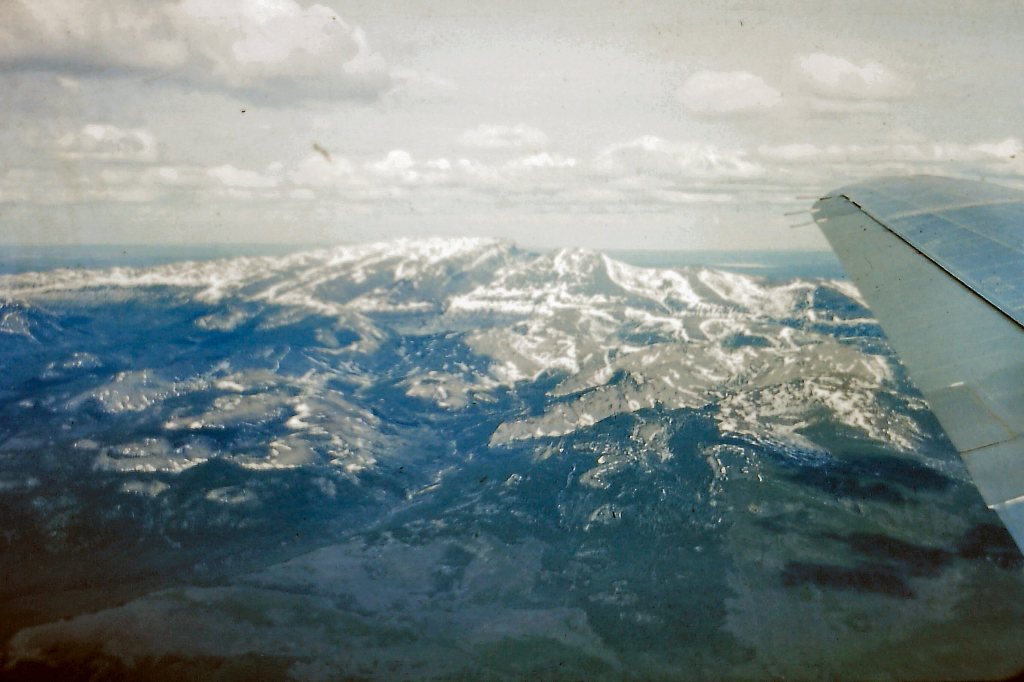
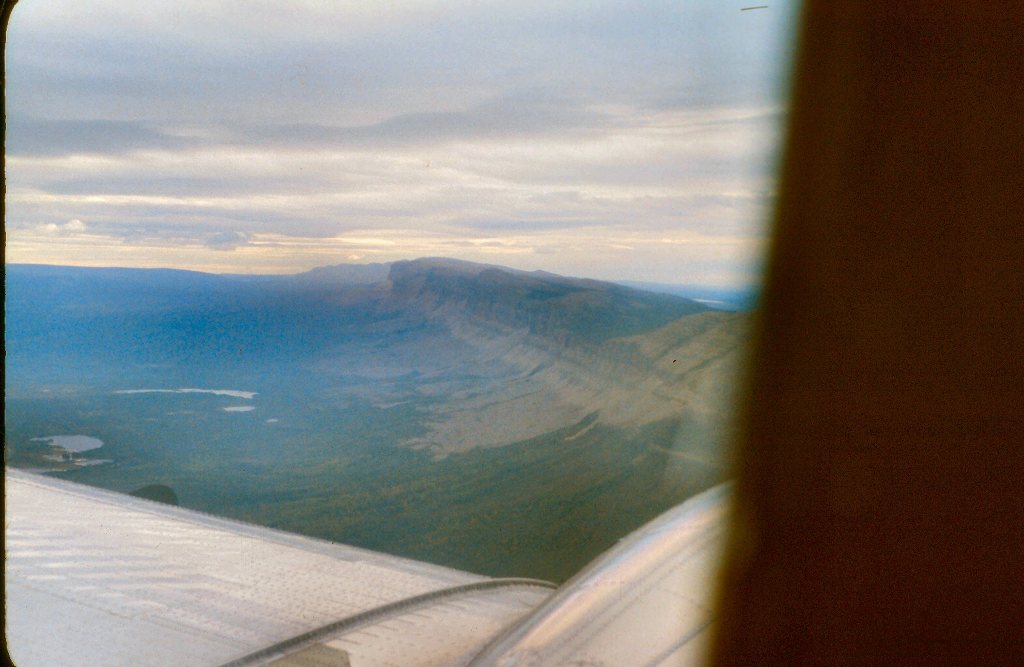
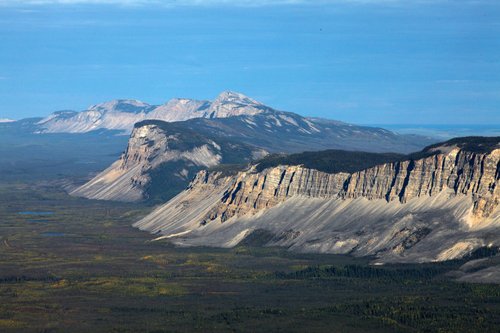
From Norman Wells in the valley you can view the Franklin Mountains and Richardson mountains. After this stop we continued our way further north to Inuvik, a distance of 456 Km. The view from the airplane is an incredible amount of water and tundra everywhere, a landscape of green and blue. I took photos from the plane.
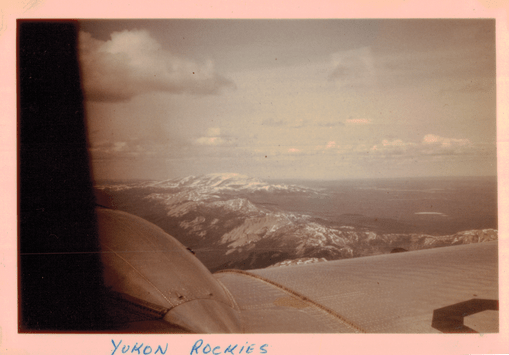
Photo taken by J.L. Ares from the Eldorado DC 4 airplane.

There was a short break in Inuvik so many people on the flight decided to go to the MacKenzie Hotel for a few beers.
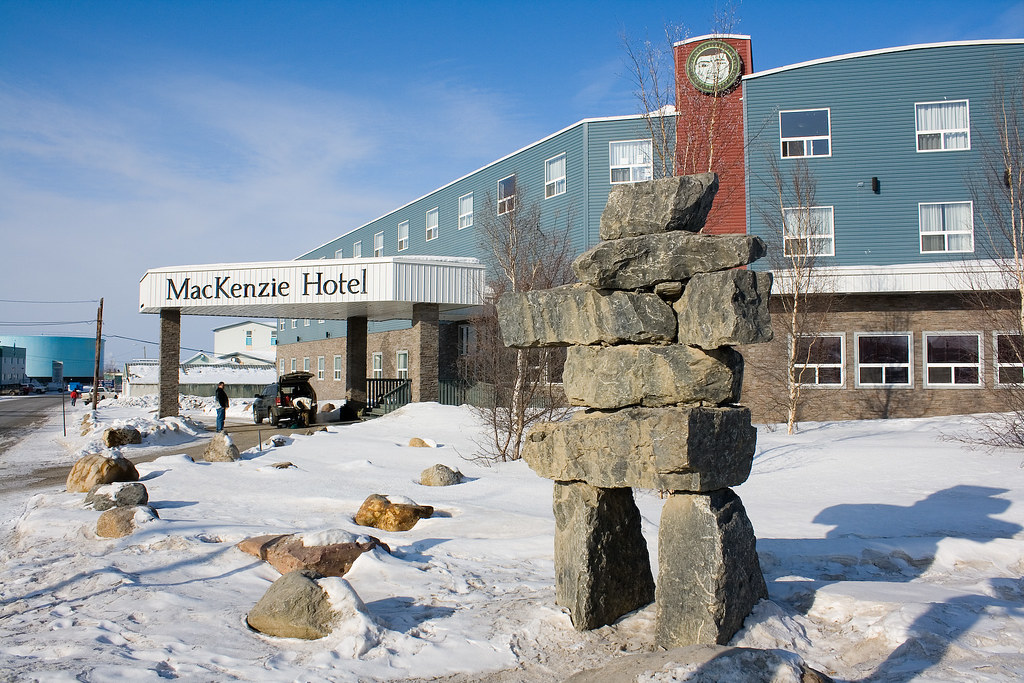

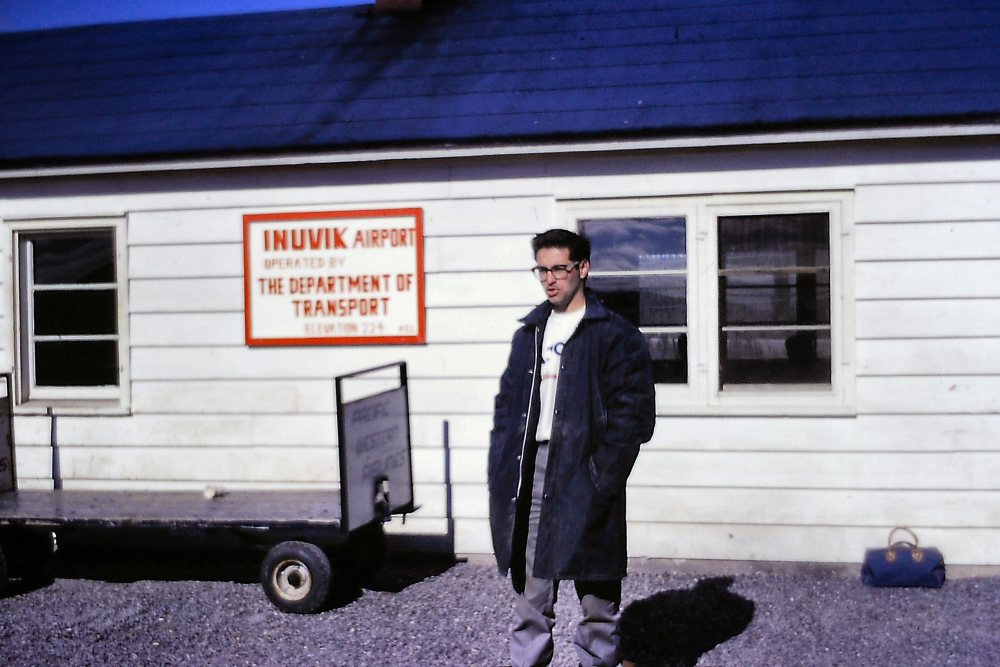
After that we boarded an Eldorado DC-3 plane for the last leg north to Tuktoyaktuk, a short 90 Km. There was a lot of fog with very limited visibility but at the last few seconds we came out of the fog and clouds, saw land and the runway and we landed safely. Not having flown before, I was on the edge of my seat!
A few terms to reference: from Wikipedia.
NTCL : “Northern Transportation Company Limited (NTCL) was a marine transportation company operating primarily in the Mackenzie River watershed of the Northwest Territories and northern Alberta, and the Arctic Ocean using a fleet of diesel tug boats and shallow-draft barges.”
Eldorado Mining and Refining , “In 1936, it (NTCL) was taken over by the Eldorado Gold Mines Limited and Arthur Berry was appointed manager in Edmonton. In 1944, it became a Crown corporation when its parent, then known as Eldorado Mining and Refining, was nationalized by the Government of Canada.”
DEW Line radar sites : “Was a system of radar stations in the far northern Arctic region of Canada, with additional stations along the North Coast and Aleutian Islands of Alaska (see Project Stretchout and Project Bluegrass), in addition to the Faroe Islands, Greenland, and Iceland. It was set up to detect incoming Soviet bombers during the Cold War, and provide early warning of any sea-and-land invasion.” The construction of these sites started in 1953. There were over 60 manned radar sites extending 4800 km across the Arctic from north west Alaska to Baffin Island. Each radar site had radar and communications equipment, buildings, roads, towers, antennas, landing strips and hangars.
FROM WIKIPEDIA Construction of Distant Early Warning communication sites along the Arctic Ocean coastline in the 1950s provided an opportunity for Northern Transportation Company Limited to expand and engineer larger and more efficient tugboats and barges. In 1959, it moved its operational headquarters from Fort Smith on the Slave River, to the town of Hay River.
In 1965 NTCL purchased Yellowknife Transportation Company and Arctic Transportation to become sole commercial marine freighter in the Northwest Territories and Arctic Ocean. In 1985, NTCL was purchased by the Inuvialuit Development Corporation and Nunasi Corporation, two native-owned corporations. On April, 1 2014 the Inuvialuit Development Corporation (IDC) bought the 50% share of NorTerra held by Nunasi. This purchase of NorTerra gave the IDC complete control of Canadian North, NTCL and other companies that were jointly held. NTCL filed for bankruptcy in 2016 and its assets were acquired by the Government of the Northwest Territories later that year in order to ensure that the essential transportation service continued for residents of the Northwest Territories. Sealift in the summer is really important for Arctic communities and DEW sites along the coast to obtain their annual re-supply of goods and materials needed throughout the year. It remains the most economical way to transport bulk goods to the Arctic. Each year, the LST’s and tankers would travel from Tuktoyaktuk with a variety of goods ranging from gasoline, diesel, oil, construction materials, vehicles, heavy equipment, house wares and non-perishable items. Deliveries are usually done even with extreme weather conditions. Some inclement sailing weather such as sea and ice conditions can happen. Ice conditions can vary from one day to the next depending on the direction of the winds.
For us as crews’ mess and officers’ mess stewards, cabin boys, galley boys the season ran from May to the first or second week in September. In 1961, while I was there in Tuktoyaktuk, NTCL would load floating barges that would go up the MacKenzie River from Hay River on Great Slave Lake, N.W.T. all the way to Tuktoyaktuk. These barges were powered and pushed along the MacKenzie River with tug boats such as the Radium Dew, Radium Queen. These barges were loaded with “dry goods on pallets”, oil and gas barrels, and also special barges filled with aviation gasoline, diesel fuel, oil and other gasoline. Once in Tuktoyaktuk , Operation Sealift to service the DEW line sites and northern communities along the Arctic would start once the ice gave way, usually from mid June on. The dry goods and other stuff would be loaded onto 2 LST’s for delivery to various DEW line sites and communities along the Arctic coast, east and west .
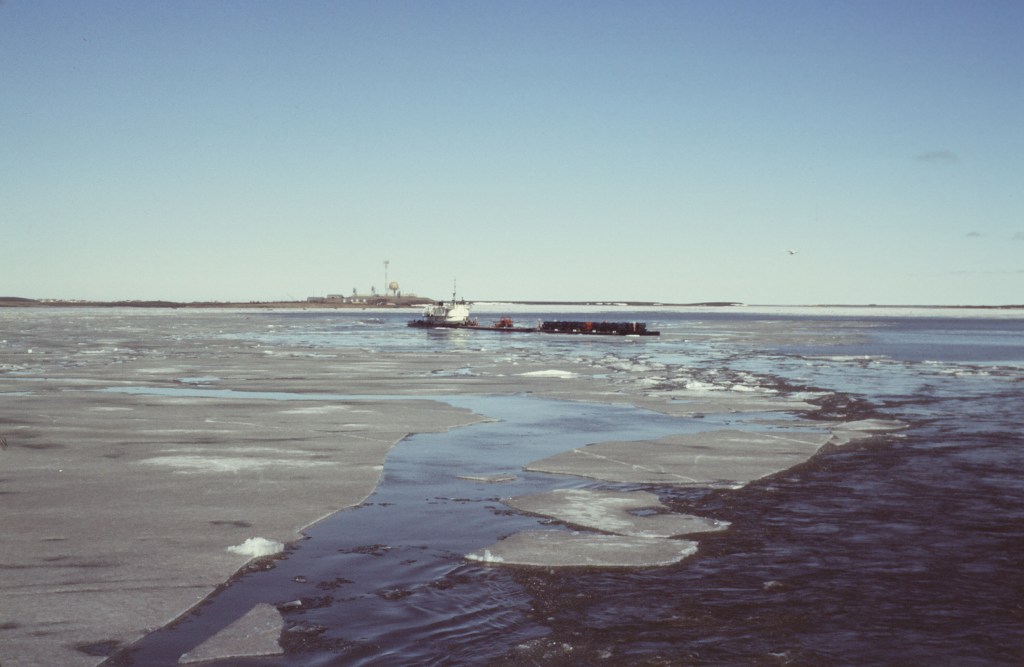
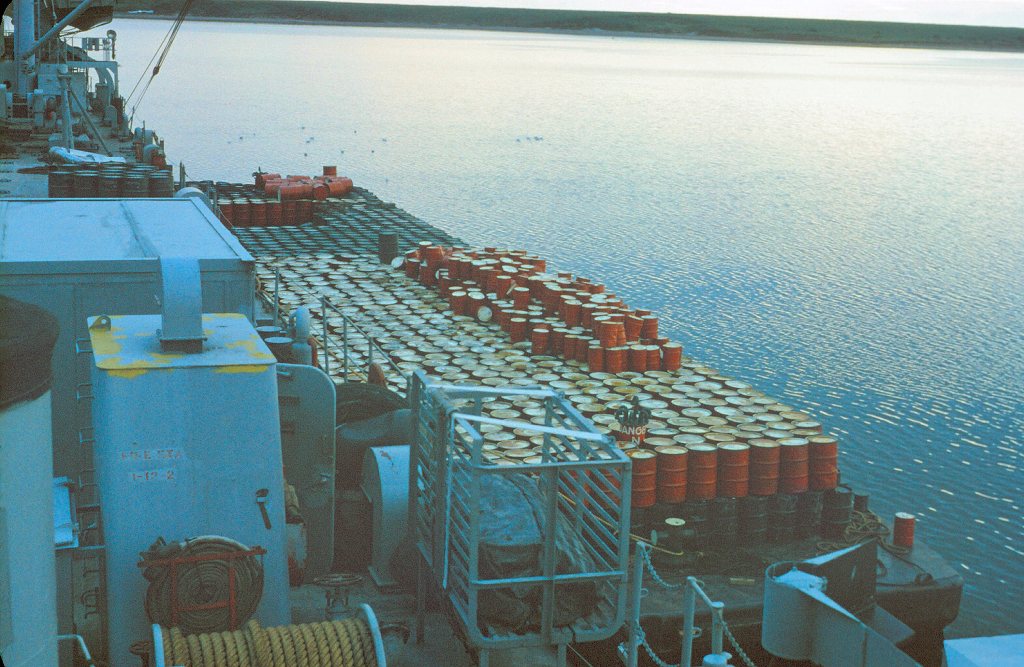
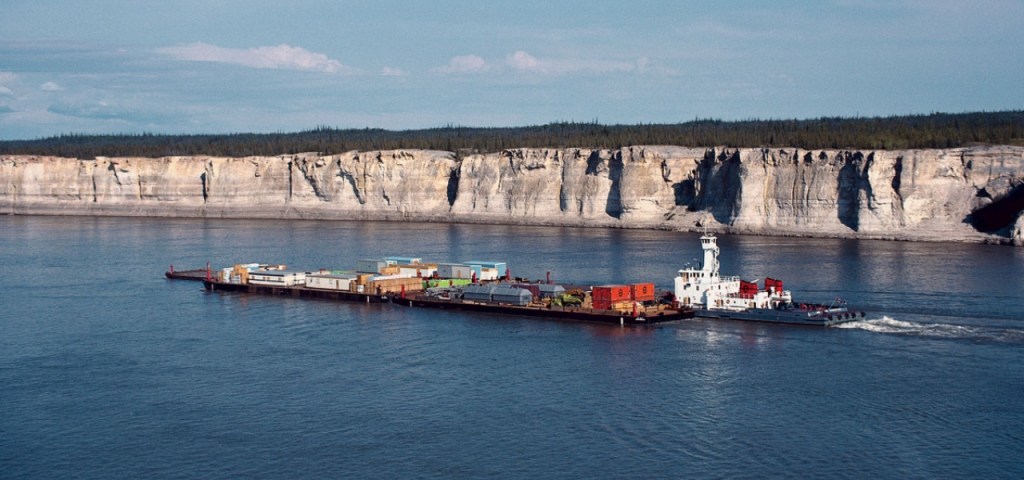

photo by J.L. Ares .1961.
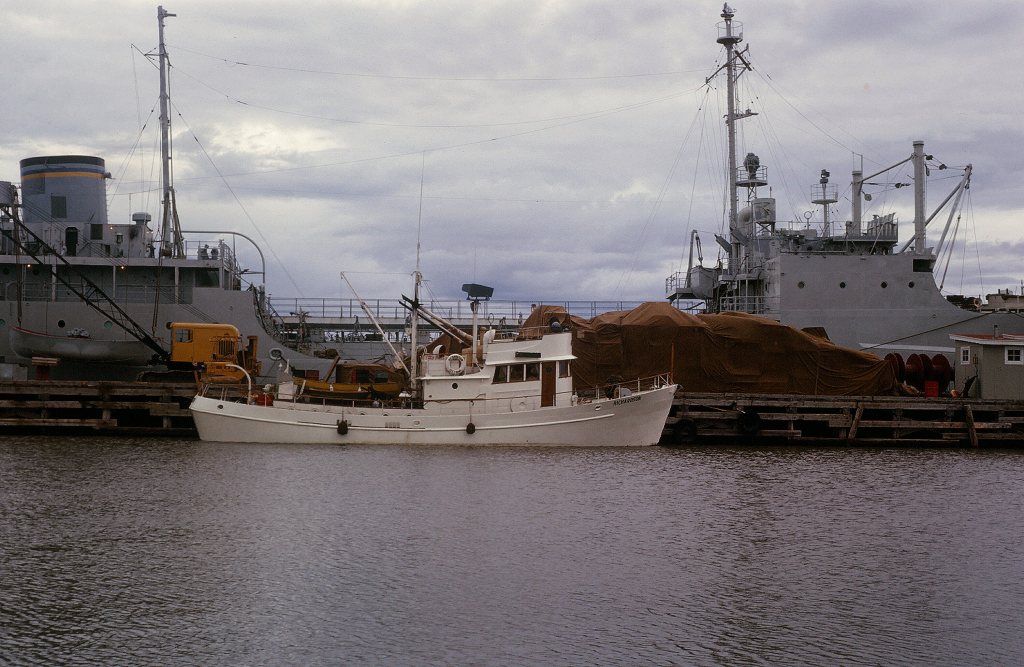
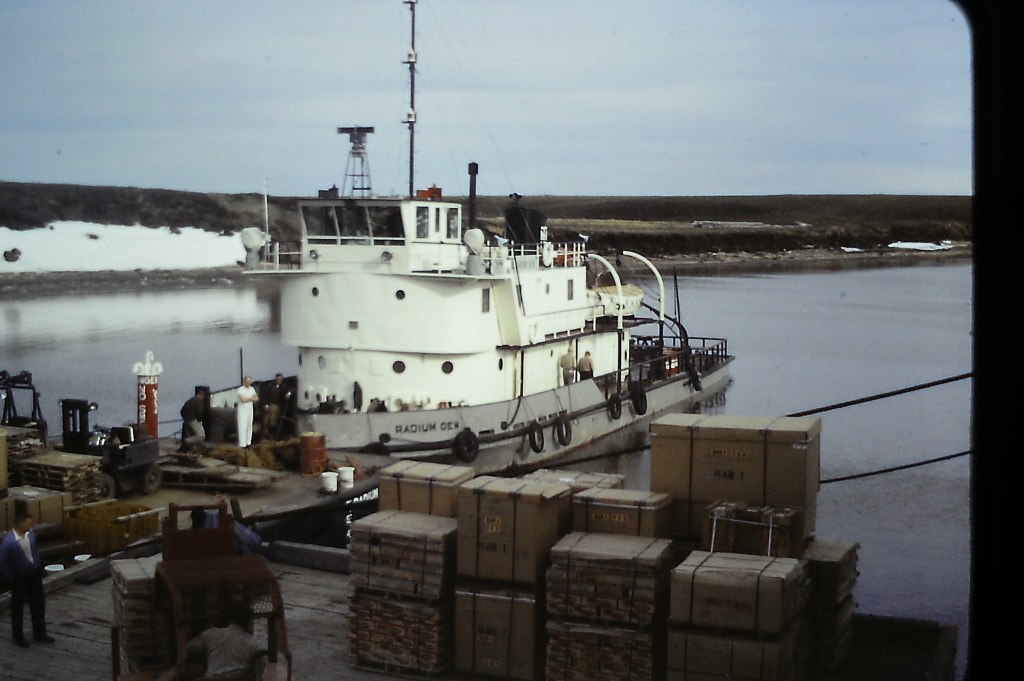
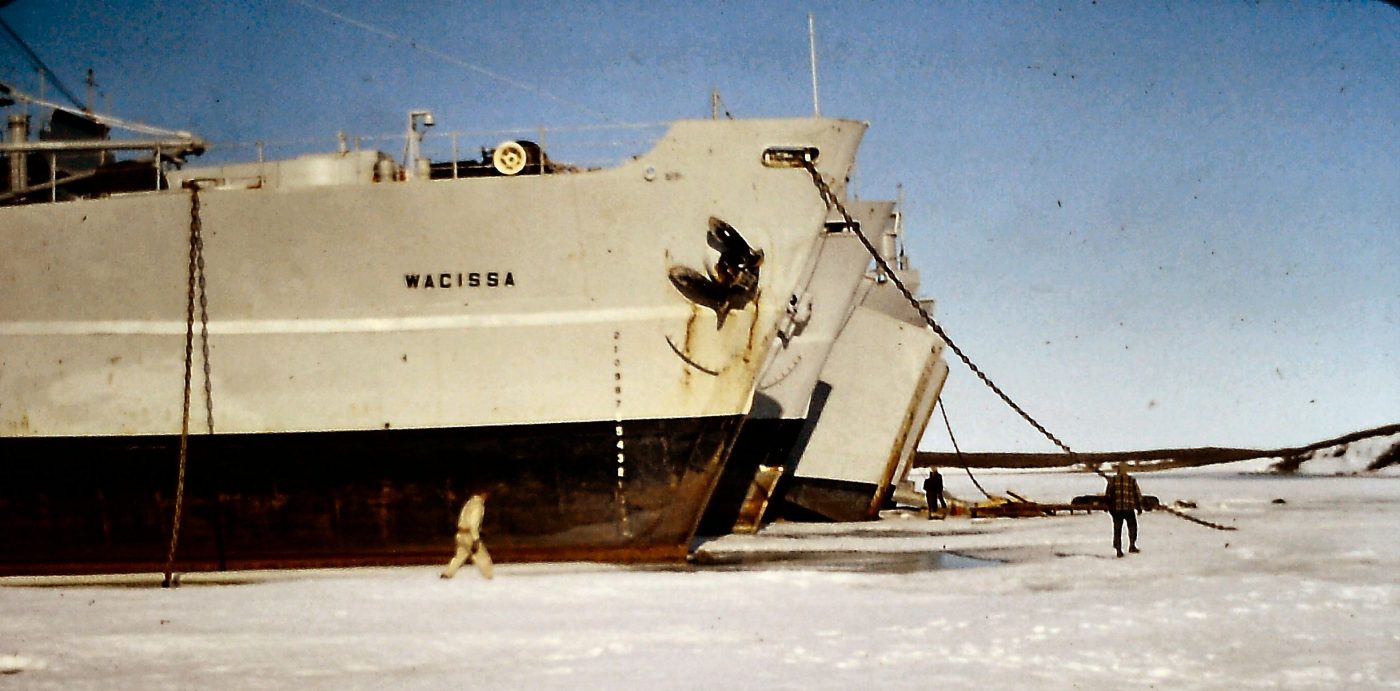
The same was done with the barges loaded with gasoline, oil and diesel. The fuel was pumped into the AOG tankers and then moved to various DEW line sites and pumped ashore into those sites’ special big tanks. When I first flew into Tuktoyaktuk in early June 1961 here were 5 ships anchored together side by side …still icebound. There were 3 LST’s and 2 tankers. The LST’s were the 602, 692 and 1072. The tankers were the USNS AOG -59 Wacissa and AOG-58 Pinnebog.
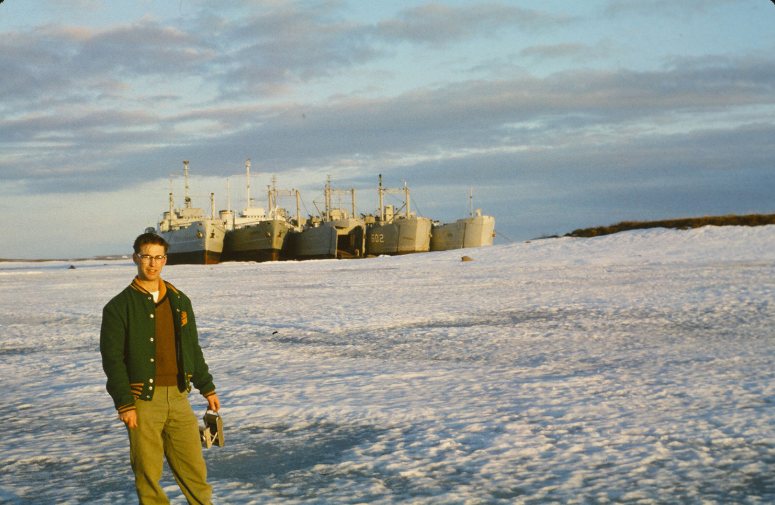
Tankers were the USNS Wacissa and Pinnebog. LST’s were 602, 692 and 1072.
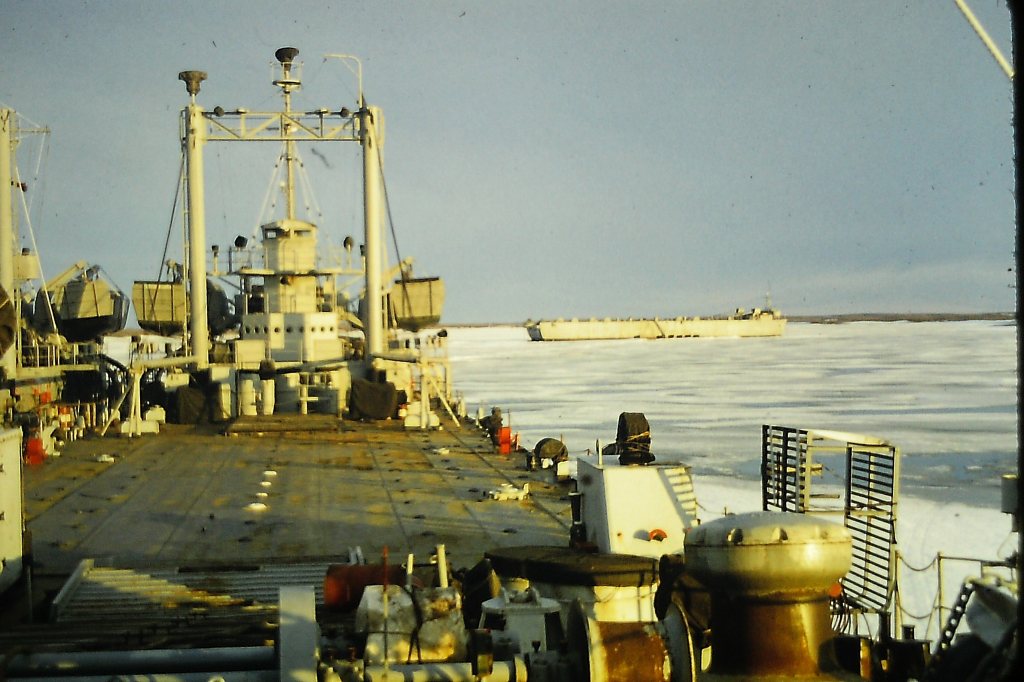
Further away and separately in the Tuk harbor was the Auxilliary Repair Dock the ARD -31, a floating drydock, also still icebound. The AOG -49 Chestatee tanker was around in the harbour. Chestatee was transferred back to Olympia, Wash. in 1962
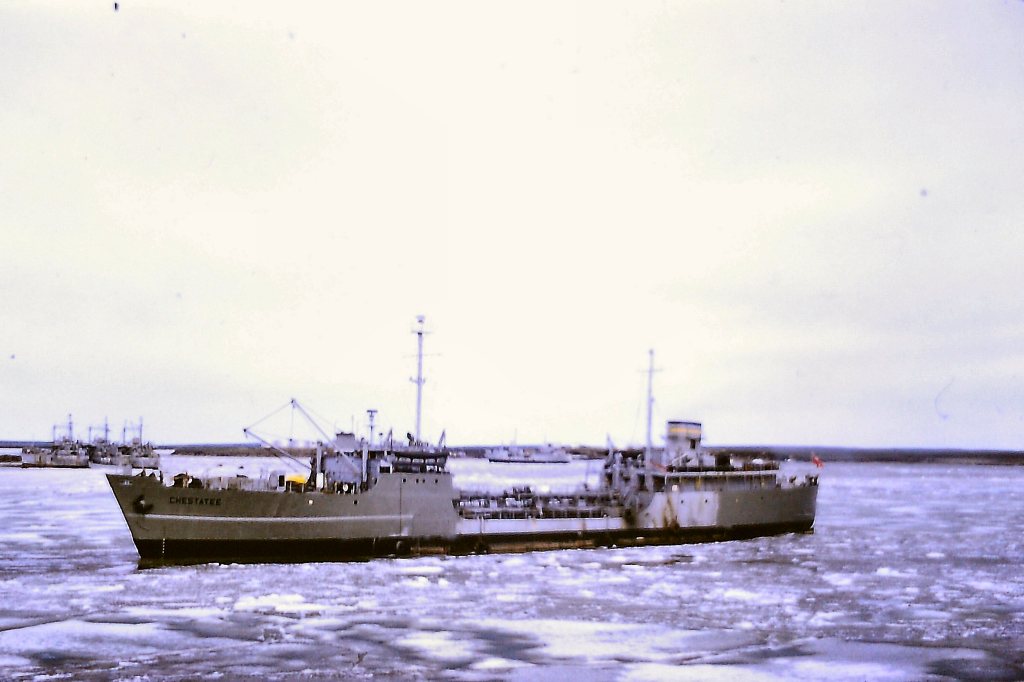

Note the 5 ships still frozen in and 2 pingos in the distance. Photo by J.L. Ares.
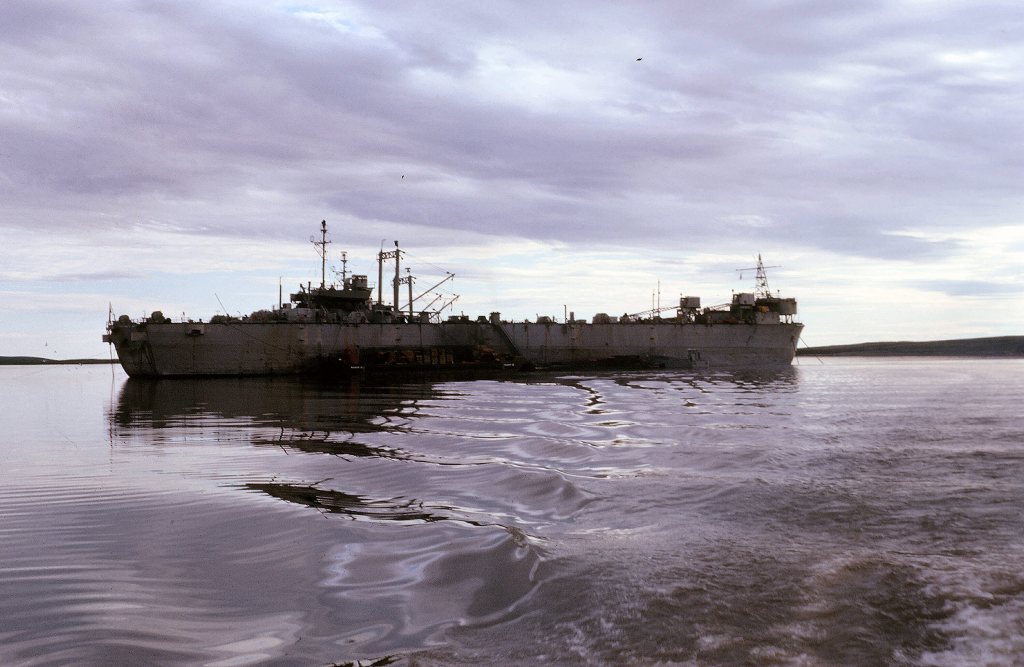
An example of an ARD used during WWII
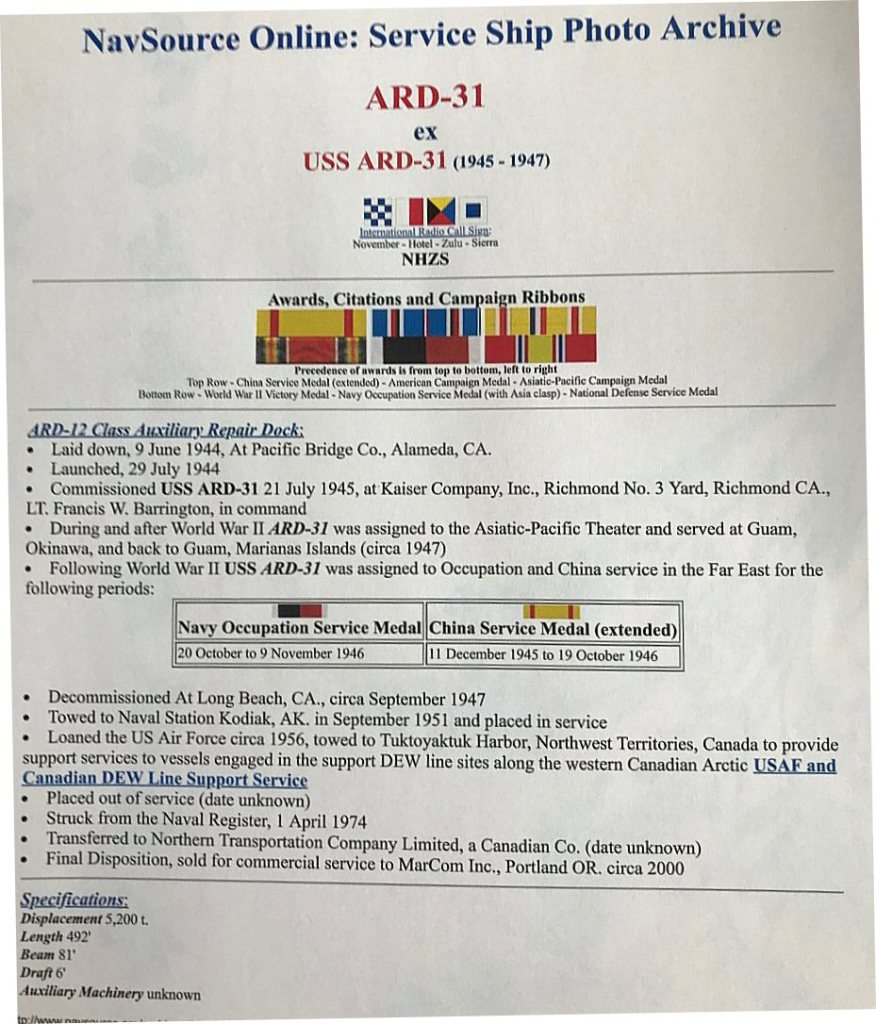
150 ARD’s were built in WW2. These Auxiliary Repair Docks were towed to wherever they were required. The ARD 31 was towed from Long Beach, California and moored at Kodiak Naval Station , Alaska in 1951 and subsequently to Tuktoyaktuk Harbour in 1956.
In November 2017 a new all -weather highway (137 Km) was opened from Inuvik to Tuktoyaktuk. This will make it much easier and faster and less costly to bring supplies of all kinds to Tuktoyaktuk. Increased tourism as well will bring more prosperity to Tuktoyaktuk. It will not cost as much now to buy groceries in Tuktoyaktuk.

“It’s the opportunity for the young ones especially to go beyond our schools in Tuk and go to college in Inuvik,” Gruben said. Information from Toronto Star.

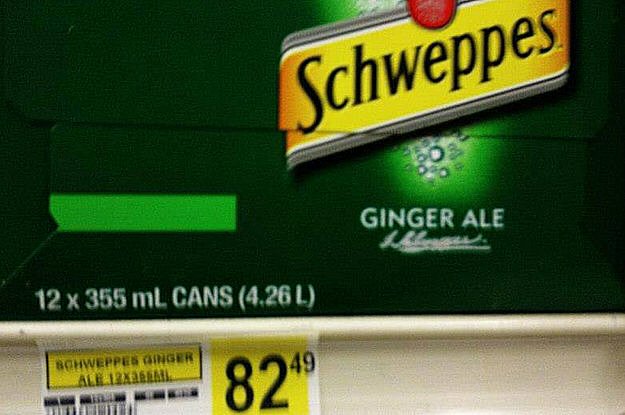

With the new Highway to Tuktoyaktuk, groceries, canned goods etc. can be trucked in instead of flown in, especially in the winter months.

Here is the service record for the ARD 31.
This is where I would spend almost 4 months in the summer of 1961, late May to early September.
From Wikipedia An Auxiliary repair dock (ARD) was a type of vessel employed by the US navy especially during World War 2, when it commissioned 33 ARD vessels: ARD-1 to ARD-33. ARD’s were self-sustaining. An ARD has a rudder to help in tow moving, making ARDs very mobile. ARD have a bow to cut though waves. ARDs have a stern that can be opened or closed. The stern could be closed with bottom-hinged flap gate, that was operated by hydraulic rams. This stern gate would be lowered for ship entrance into the submerged dock and then closed to keep out water from waves. The drydock is flooded to allow a ship to float in, often guided by a couple of LCM’s. Also a big steel winch from the front of the drydock is tied up to the bow of the ship thereby helping to guide the boat into the drydock. Once the ship is positioned on the rows of wooden blocks the drydock is drained while the stern gates are closed. This allows the drydock to rise up under the ship raising it out of the water. When this is all done then the workers have access to the ship’s hull, screw-type propellers and other areas that are usually under water. The drydock had 2 large cranes, each with 5-ton capacity, that moved back and forth on tracks on port and starboard sides to assist with lifting up or dropping down heavy duty stuff.

In 1961, my first year in Tuktoyaktuk, I worked on the ARD 31 drydock. As a fun thing to do all the stewards and galley boy we decided to get a buzz haircut (very short) and grow a mustache. This lasted the summer and shortly after getting back to Edmonton off came the mustache, every one back home said I looked like a “bandito”.

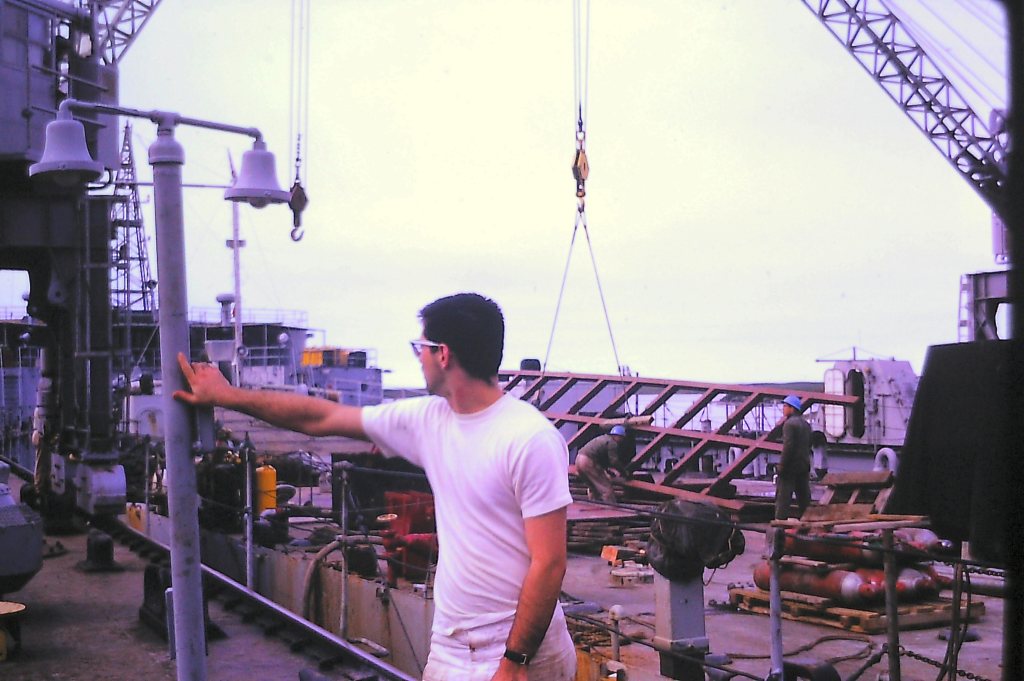
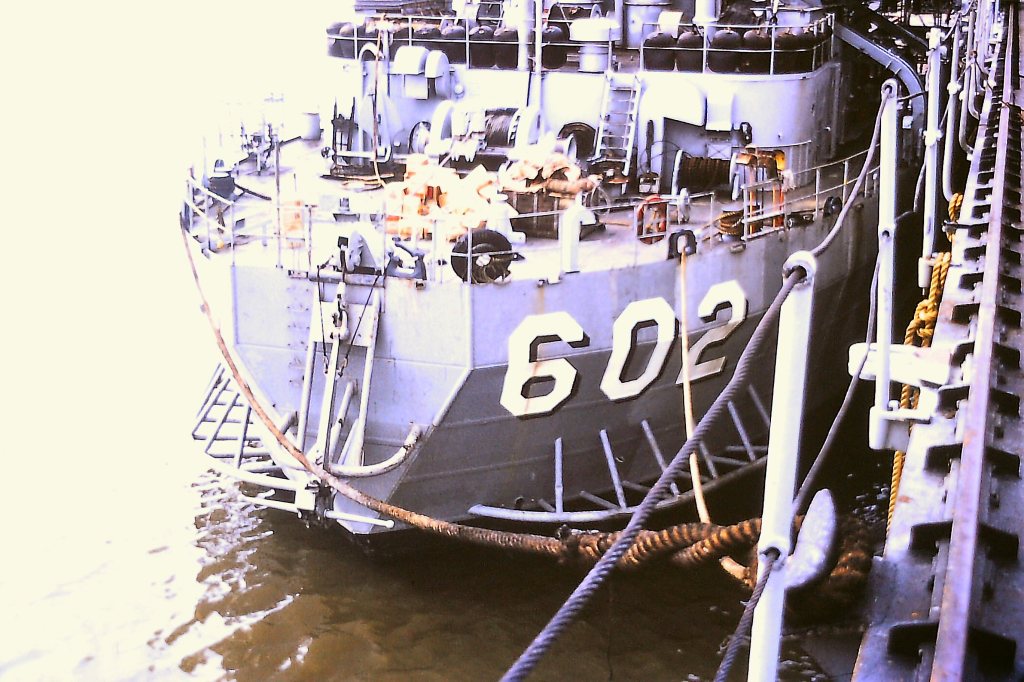
In the summer that year we serviced many LST’s and Tankers. Stevedores, welders, mechanics,electricians, plumbers, and longshoremen from Vancouver shipyards, and elsewhere, worked on the ships. When the ships came out of the drydock they looked fabulous with their new paint jobs and repairs. We had the most amazing cook and baker on the ARD 31. Something NTCL insisted on. Here are a few menu samples.


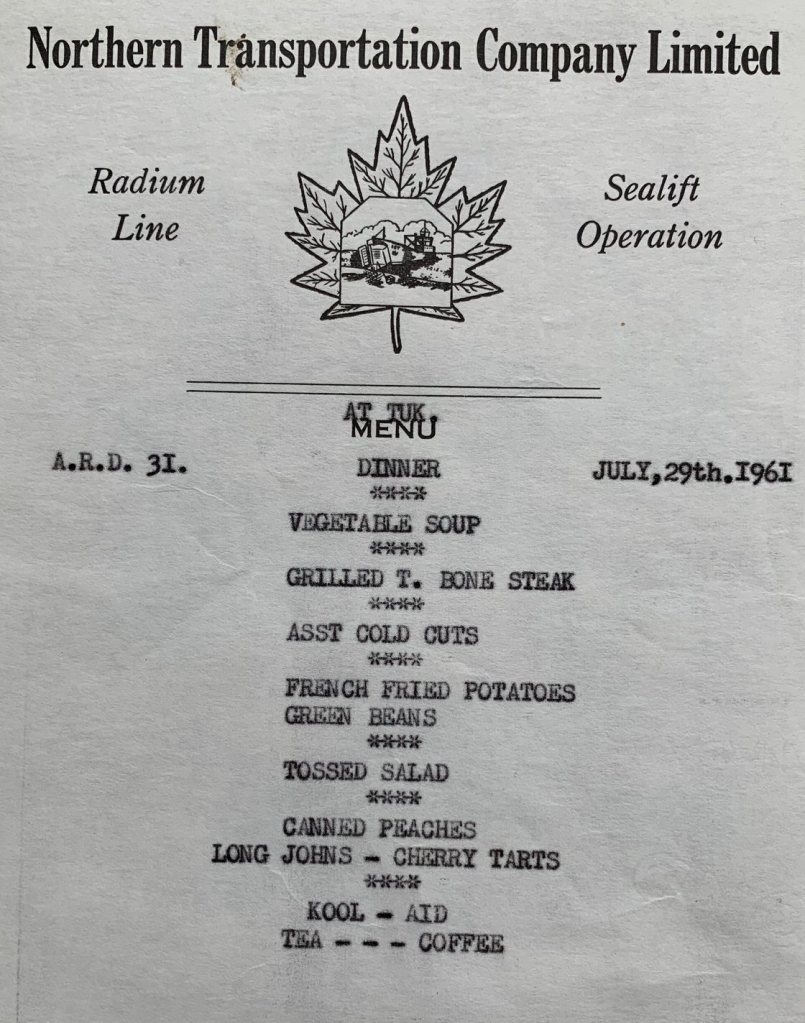

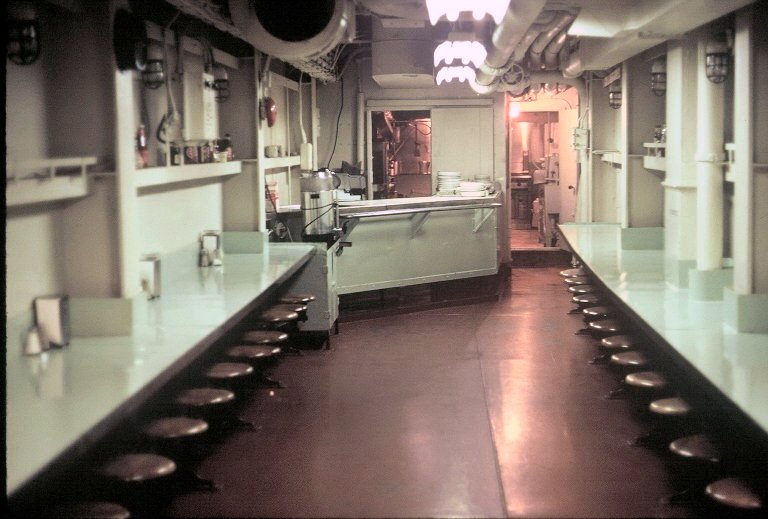
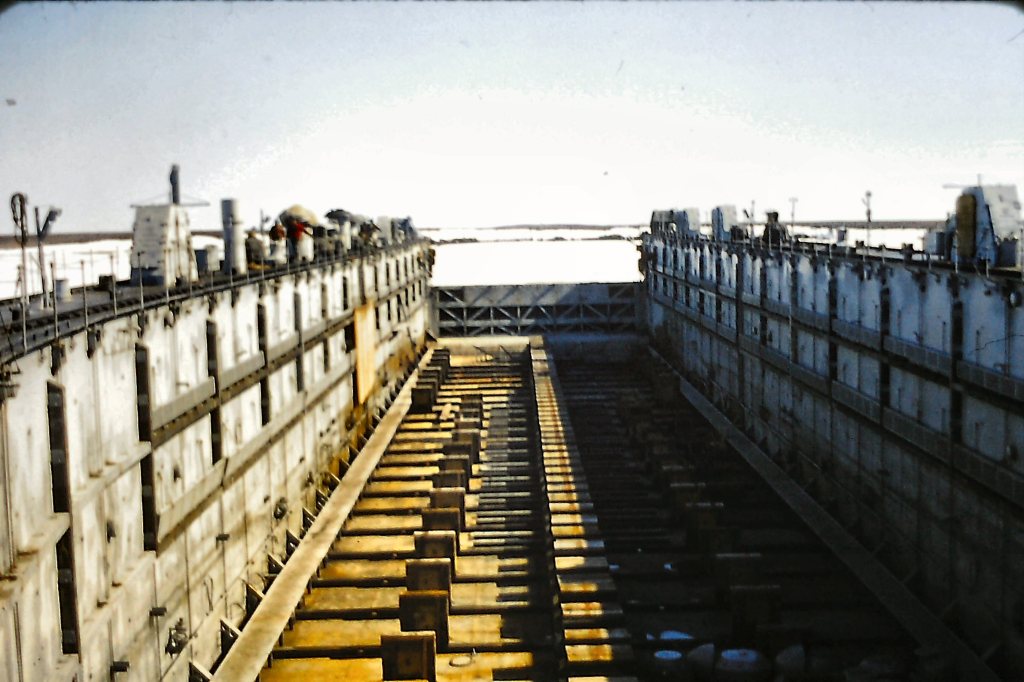

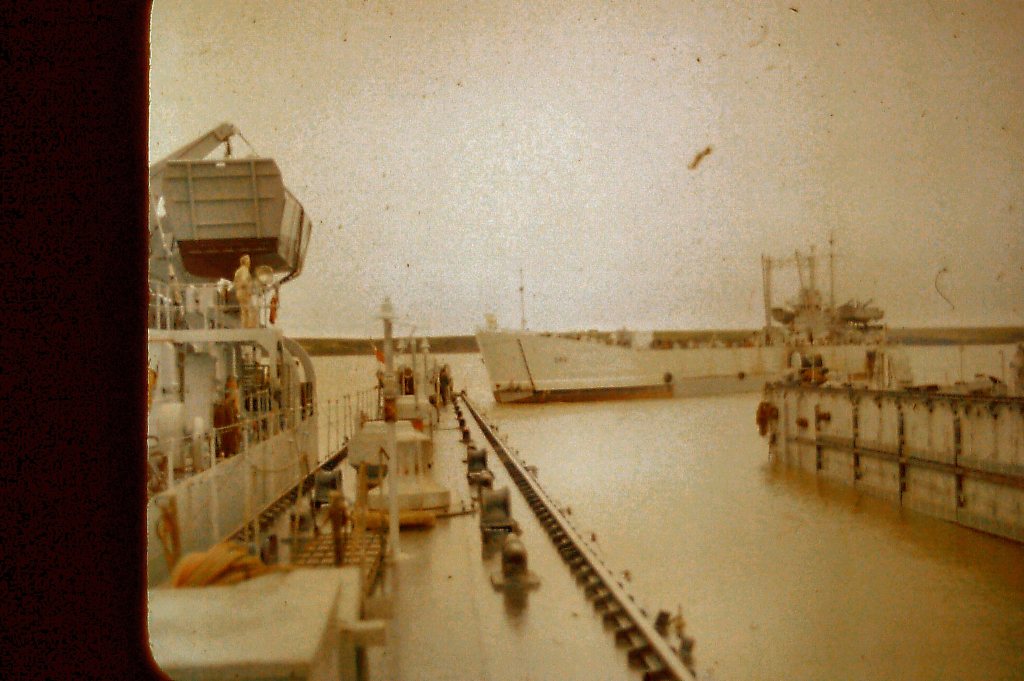

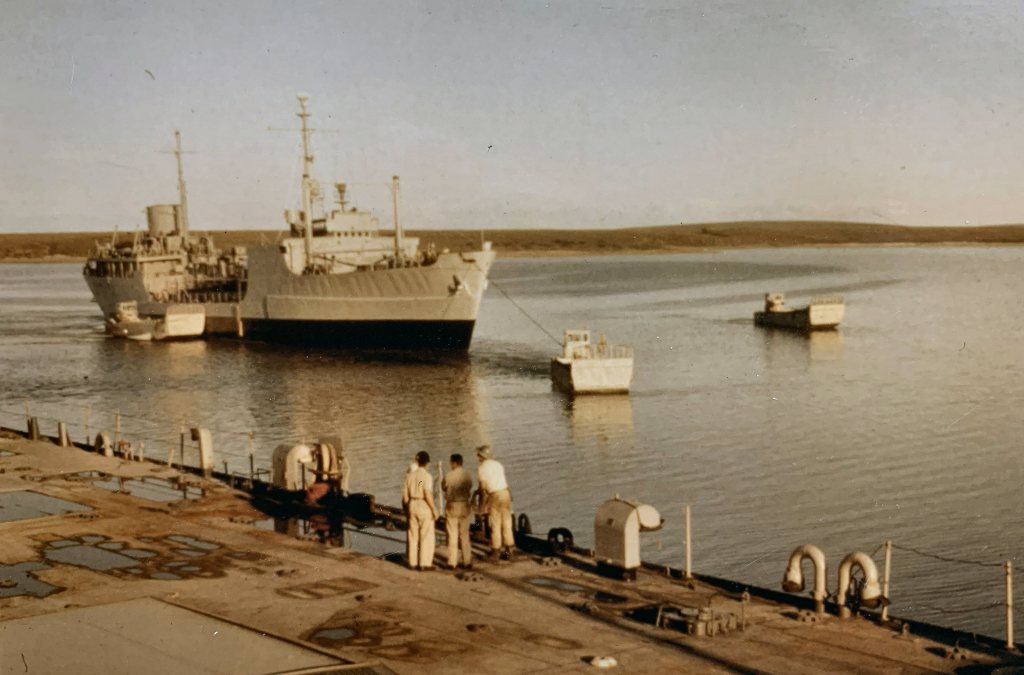
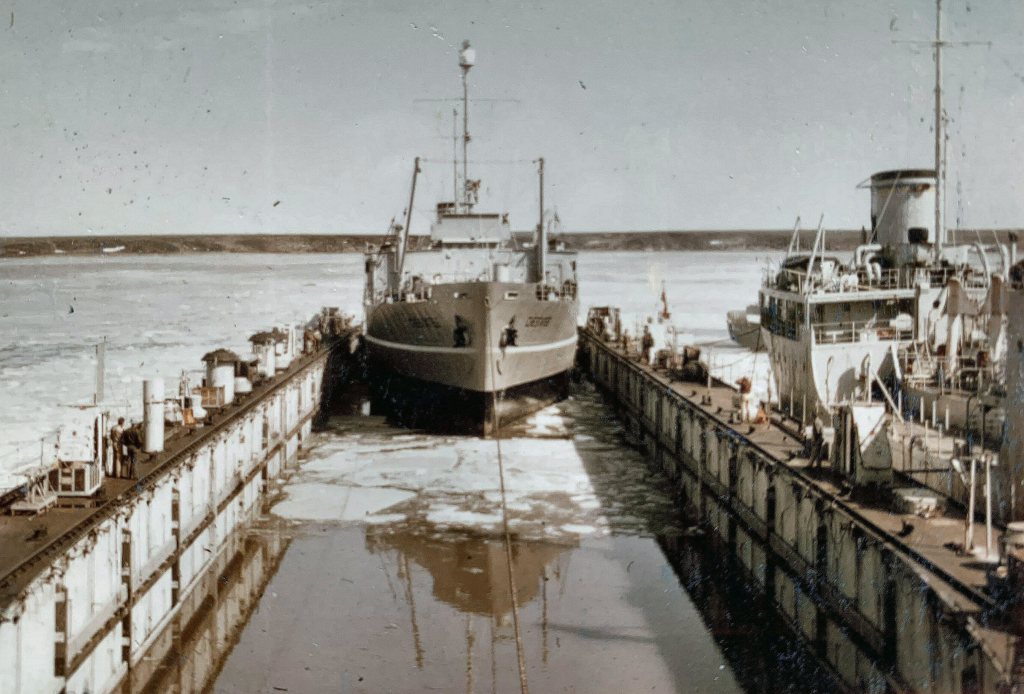

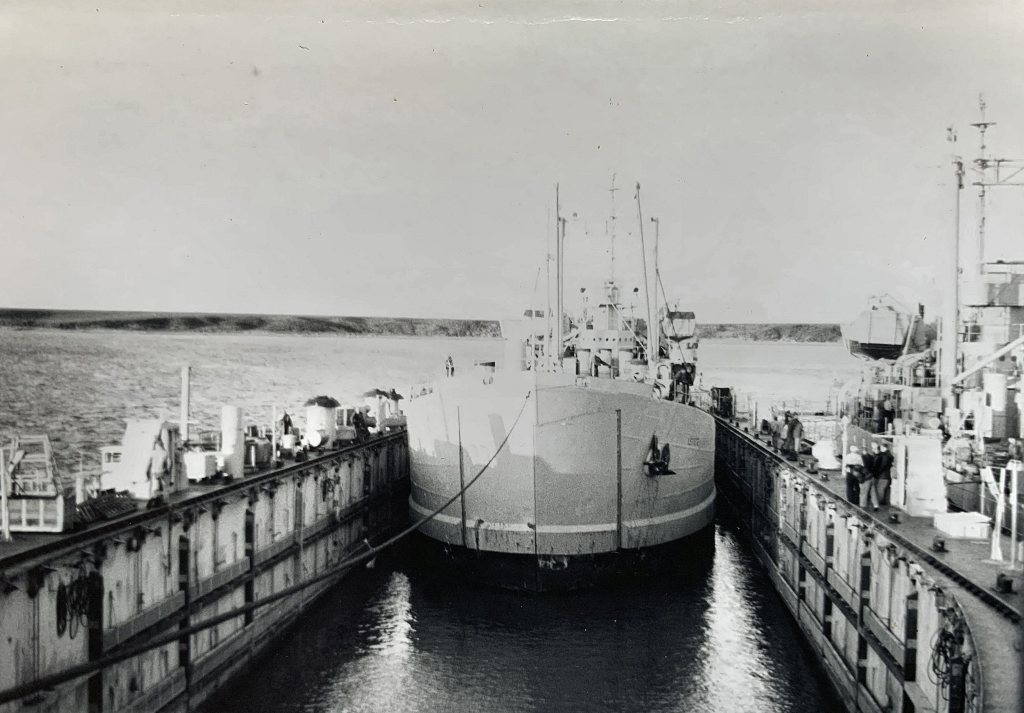
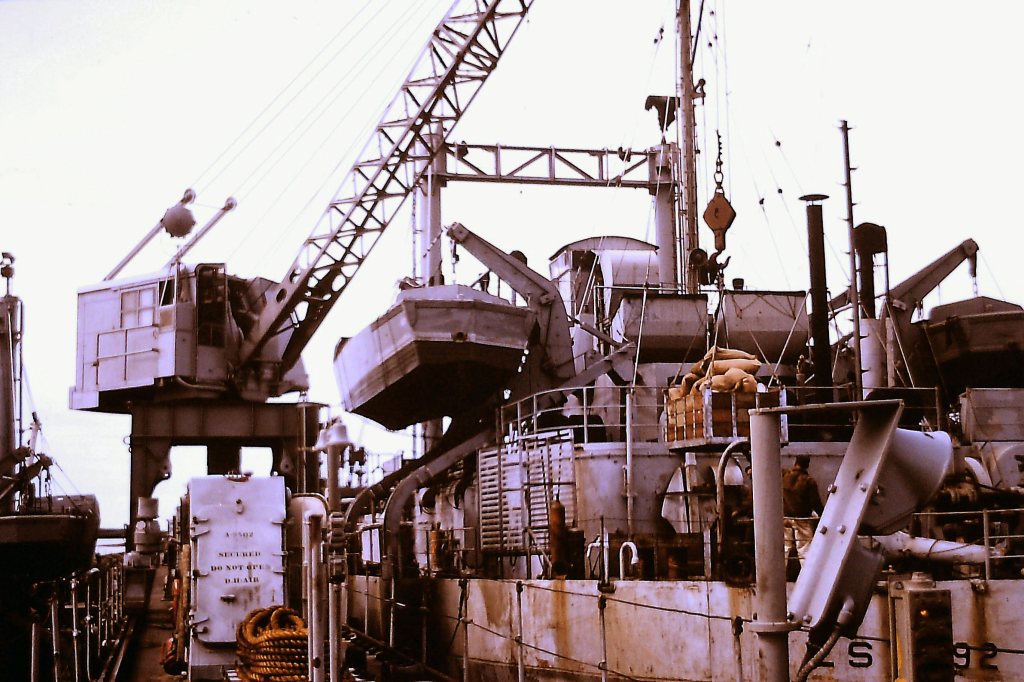
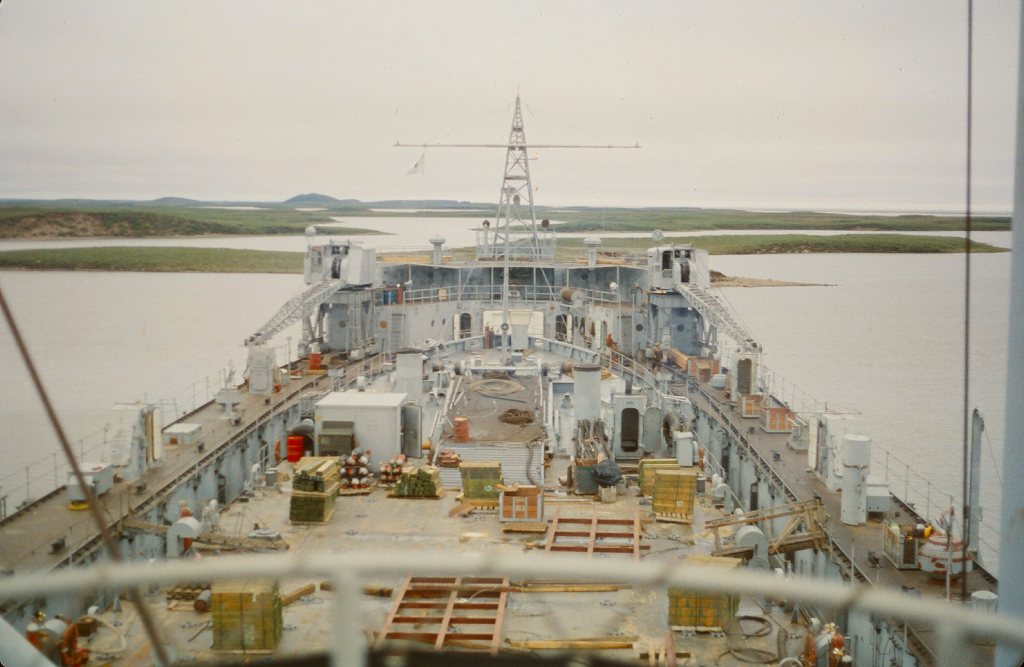
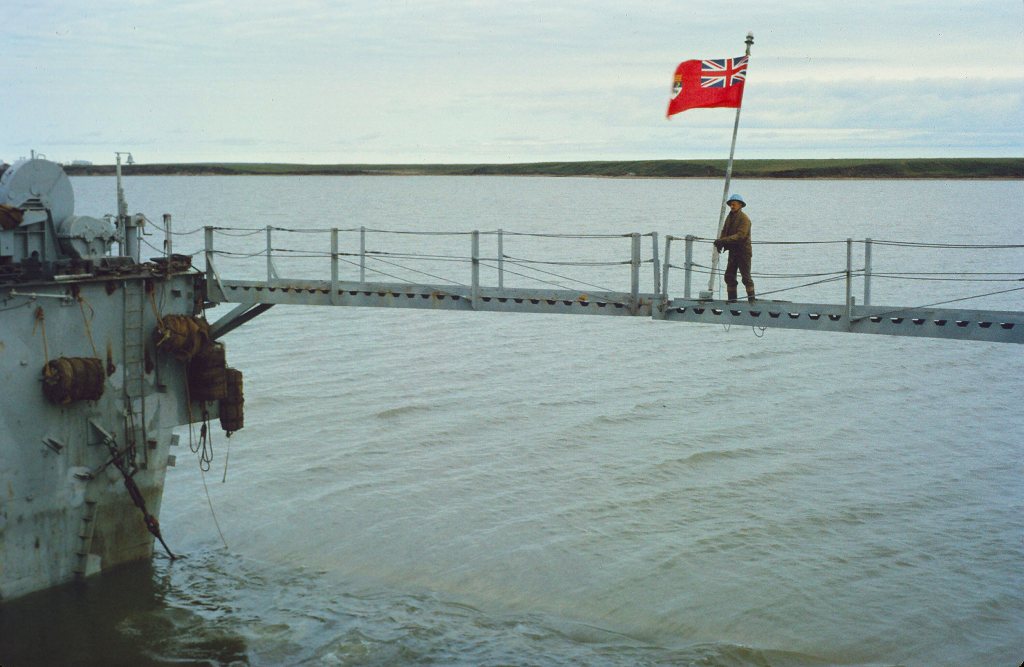
Photo by J.L. Ares.

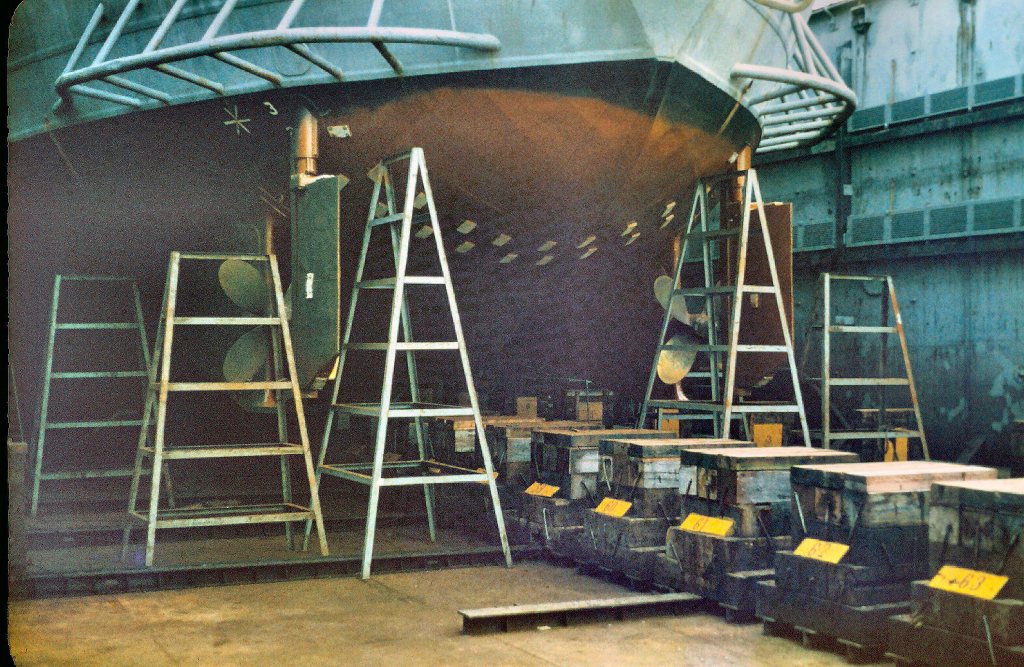
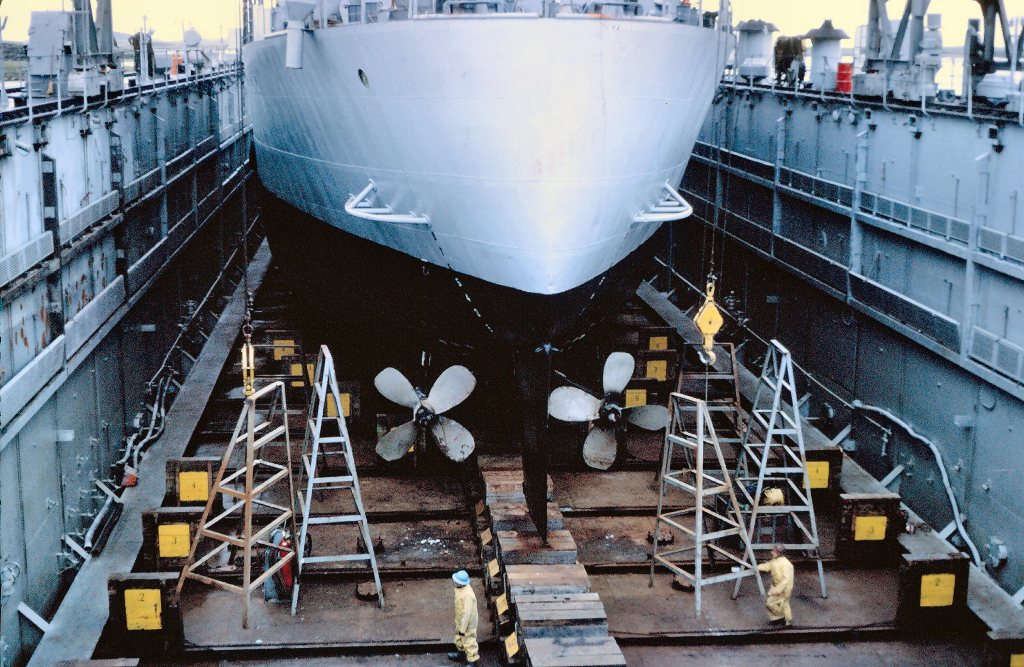

Photo by J.L. Ares.1961.

Map of the waterways linking Tuktoyaktuk from Hay River, Lesser Slave Lake and along the Mackenzie River.
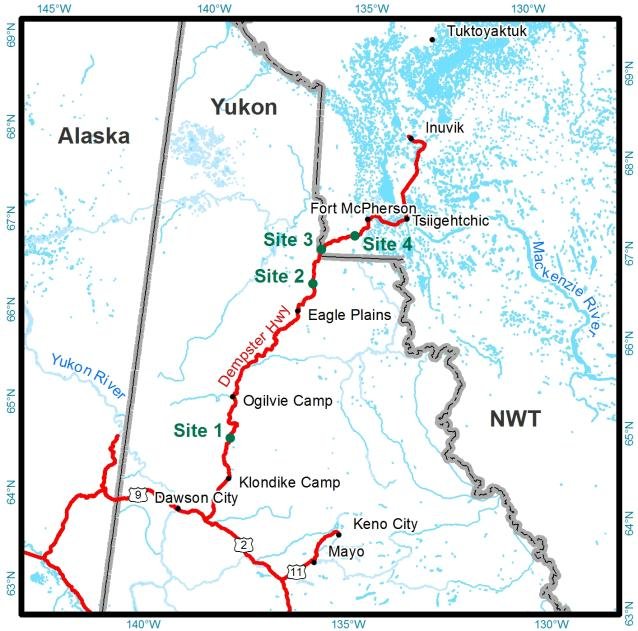
to Inuvik,NWT. about 14 hours driving . Eagle Plains is half way.
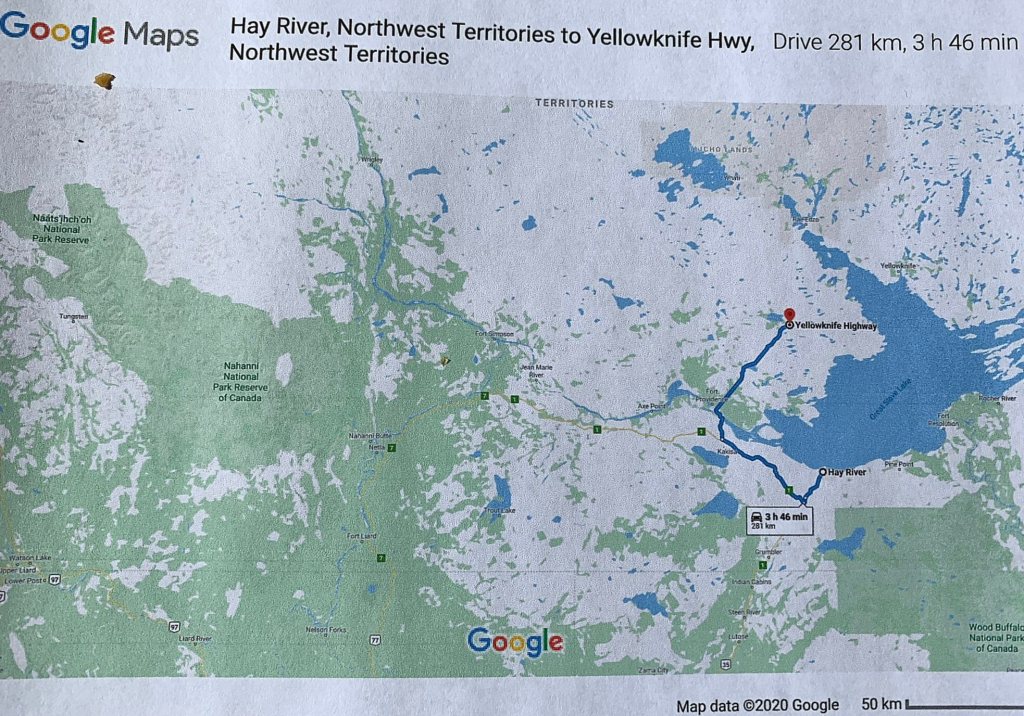
In 1945, an all weather road was built from Grimshaw in Alberta (close to Peace River) to the south shore of Great Slave Lake at Hay River. Hay River is right in the middle of the map. There is also a highway to Yellowknife from Hay River (over 480 Km). The only stop in between is Fort Providence where the new Deh Cho bridge has been built to cross the MacKenzie River. The bridge was finished in 2016 and spans about 1.5 Km over the river. It is a very impressive and beautiful bridge.


When we arrived in Tuktoyaktuk, we landed at the local airstrip now called the James Gruben airport. We were then taken to the ships all ice-bound in the Tuk harbor. Of interest on the gravel road was a sign with the title “Eskimo Crossing”. I distinctly remember this and wished I had kept the photograph I took of the sign. This sign would definitely not be culturally appropriate and politically correct nowadays. There was only 1 road from the DEW line Bar 3 site to the airport, and another road into town itself.
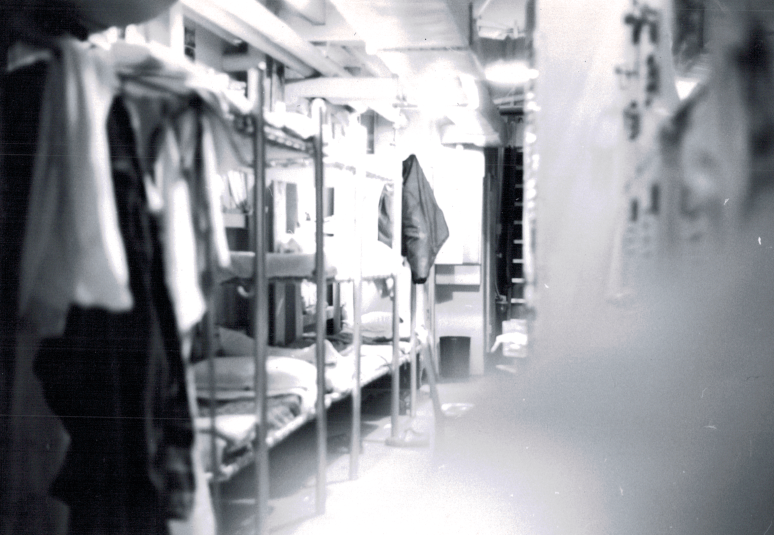
For a few days at first all the stewards were told to bunk into the adjoining ships bedrooms (cabins). Every year, all the stewards hired by NTCL would work for the drydock as well as the LST’s and tankers. Eventually those of us working on the ARD 31 drydock were transferred to the cabins at the bow end of the drydock. I remember my bunk was the third one up high, a bit of a scramble to get up there. Quarters were quite tight and 6 people slept there in 2 rows of triple bunk beds.
My job description was crews mess steward as well as assistant galley boy (kitchen). The crews mess was a long room with tables and stools on both sides. There was a huge commercial-type automatic dishwasher which was very handy. My job was to clean tables, prepare the place settings, condiments, drinks, make coffee, serve the meals prepared in the galley, serve dessert, fruits, tea and coffee. Then clean-up afterwards and put dishes, glassware, cups and saucers, cutlery through the dishwasher. After drying then stack them up for next meal.
Provisions were kept down below such as dry goods and meats, produce and fruit etc. in special lockers. They had to be brought up to the galley climbing those usual steep 45 degree steps found on ships.

The galley boy always hauled up the garbage to the top deck by lashing the can with ropes. One time while I was climbing up the steps, a garbage can full of wastes fell and hit me on the head. I guess the galley boy had not secured the garbage can securely enough! Lucky for me my head was bent down as I was climbing and watching the steps and the garbage can hit me at an angle. The ship doctor took care of me and used a special glue instead of stitches to hold the parts together. This could have been a much more severe medical disaster for me.
One of my best co-workers and friends then was a fellow by the name of Pal Csupor. Pal was full of interesting stories about his escape from Hungary during the 1956 Hungarian revolution against Russia. We would hang out together on our visits to Tuktoyaktuk. Pal was a bit of a lady’s man and loved to chat and visit with some of the Inuit ladies.

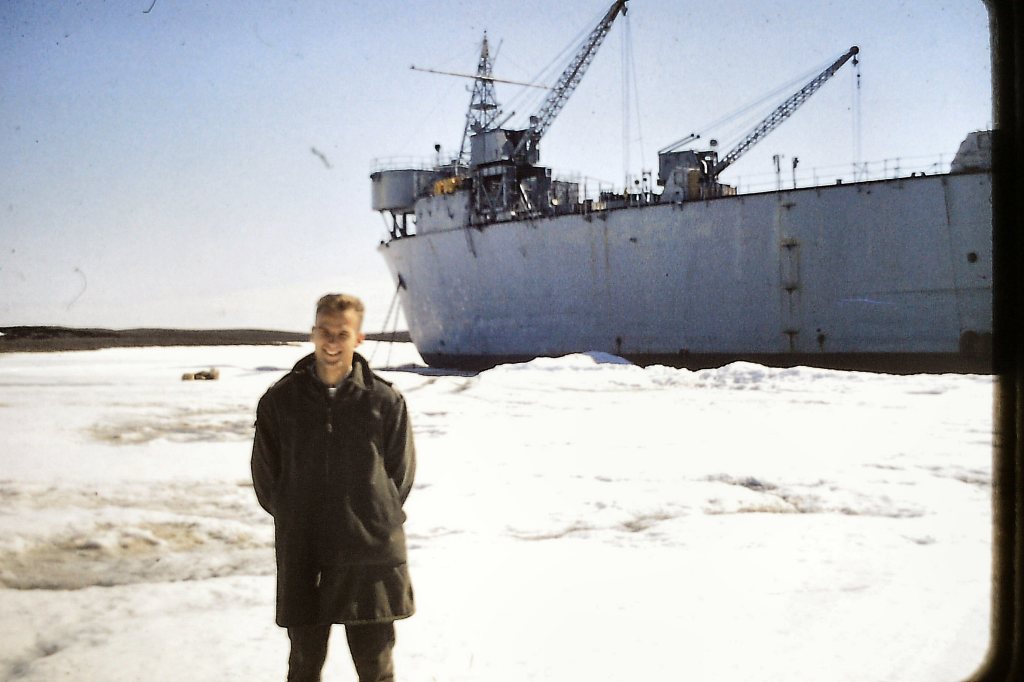
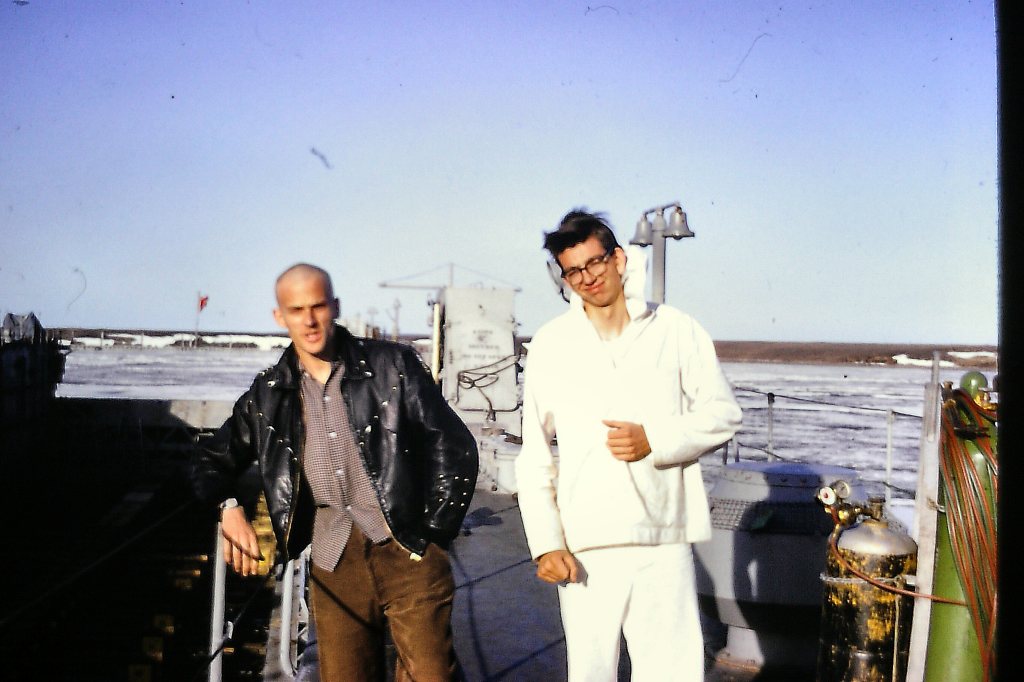
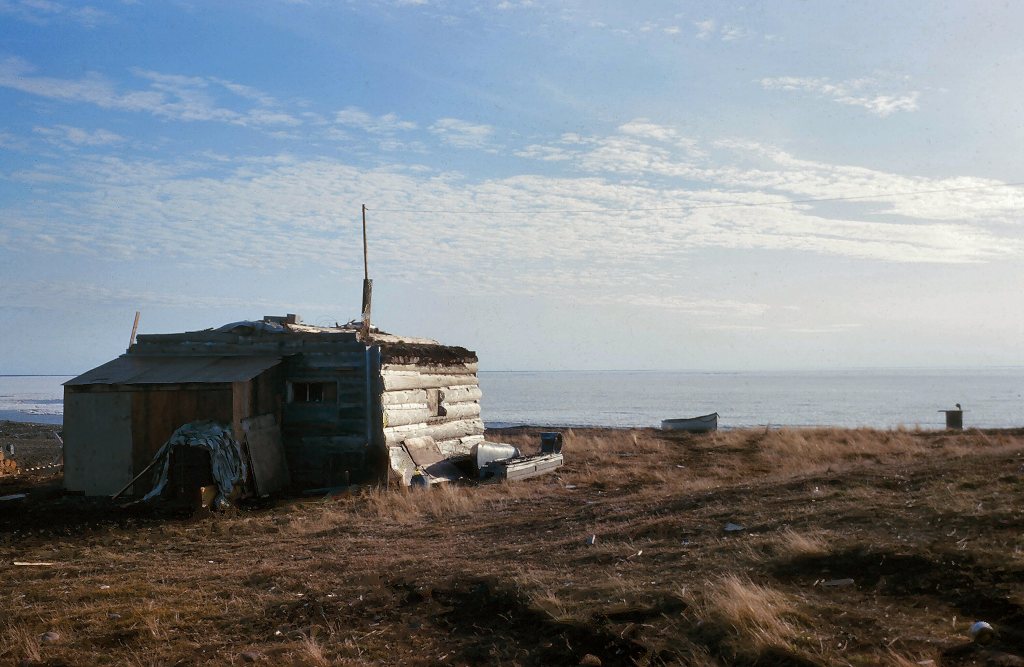
For the first few weeks, in the evenings after work, we would walk to Tuk on the ice being careful to avoid deep holes with water. Some used long poles out of wood in case someone fell through a water hole.
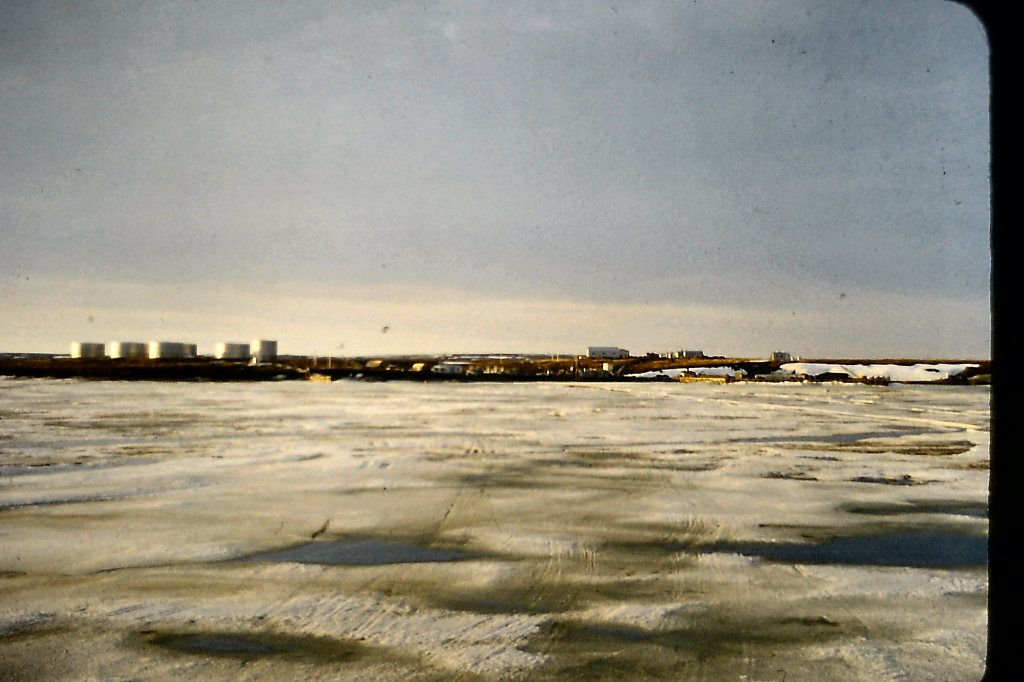
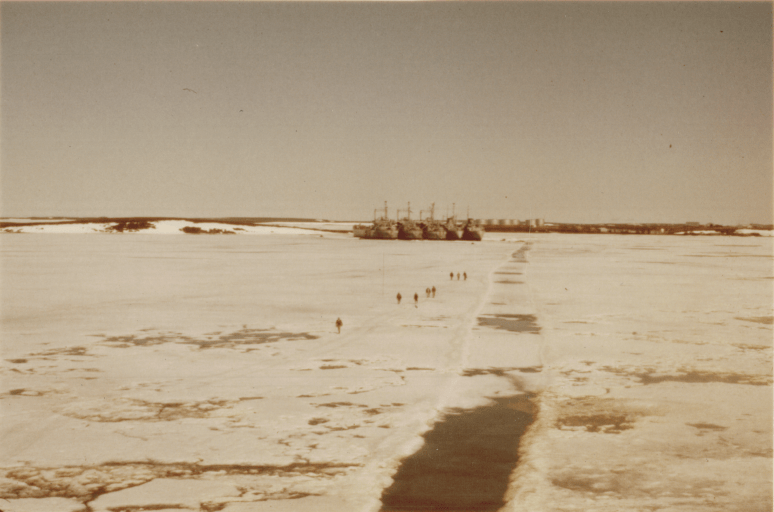
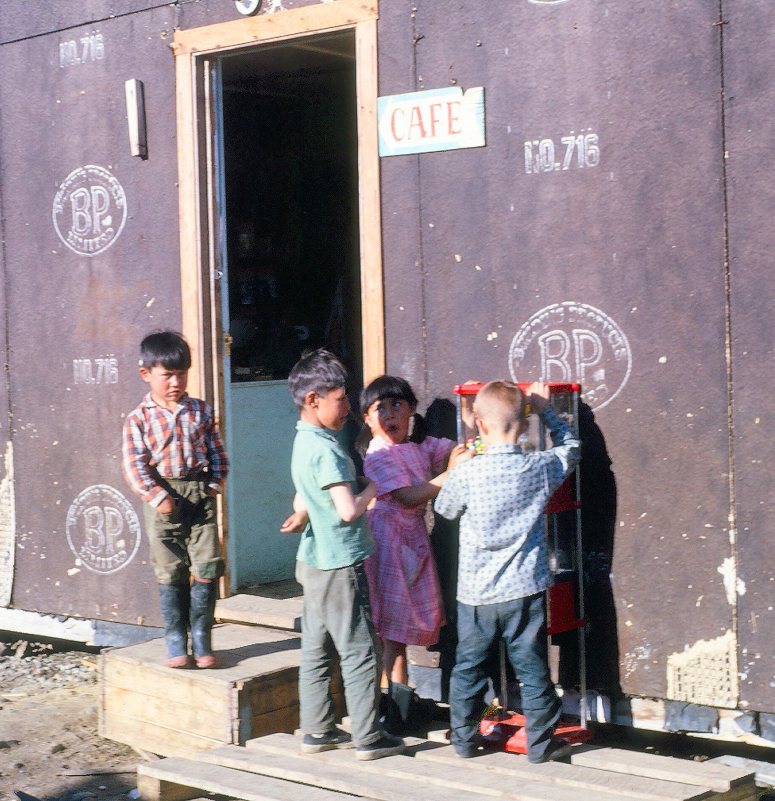
Because the sun never set we walked in total daylight even late during the night. The fun was going to the Hudson Bay store seeing the local Inuit and children hanging around the store.
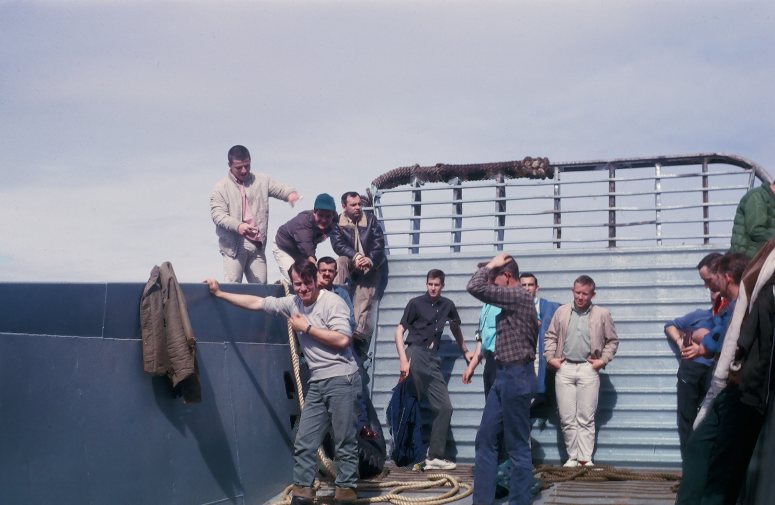
Photo by J.L. Ares 1961.
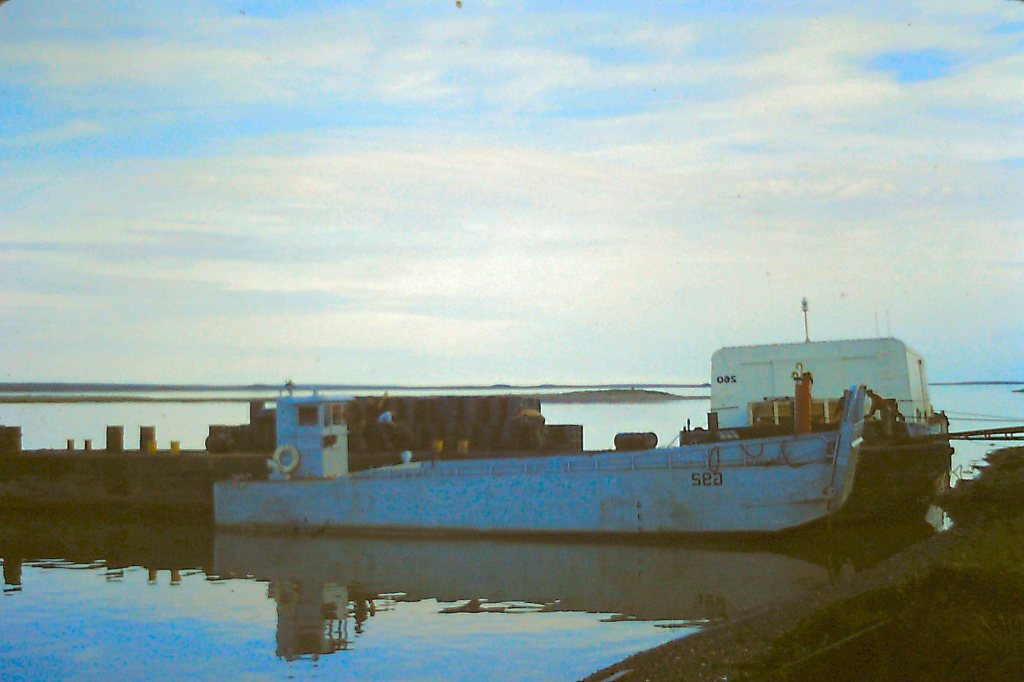
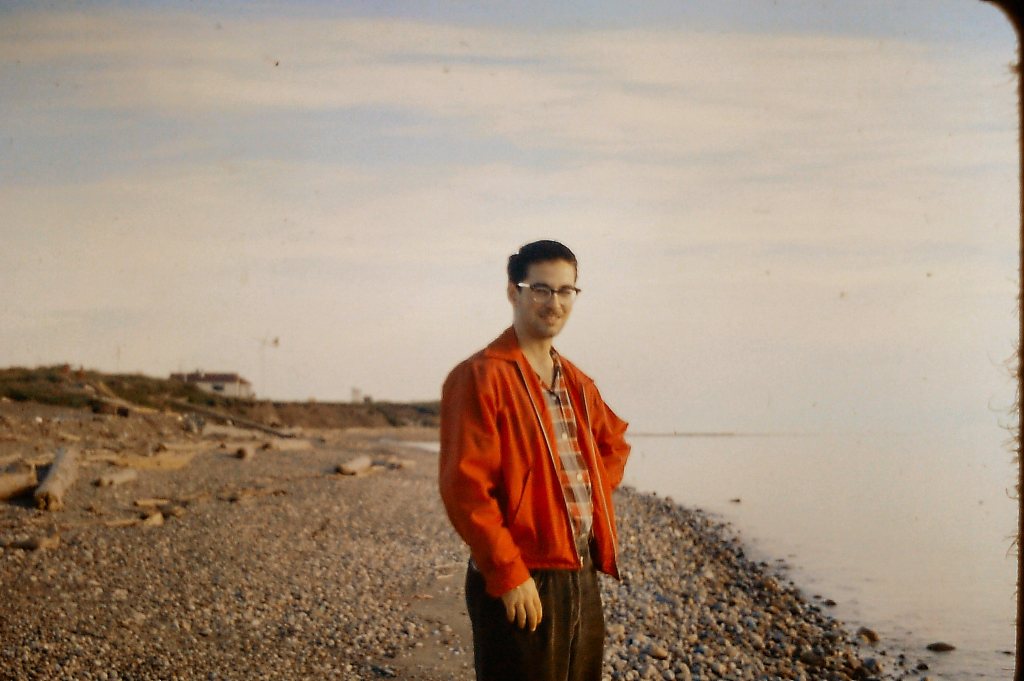
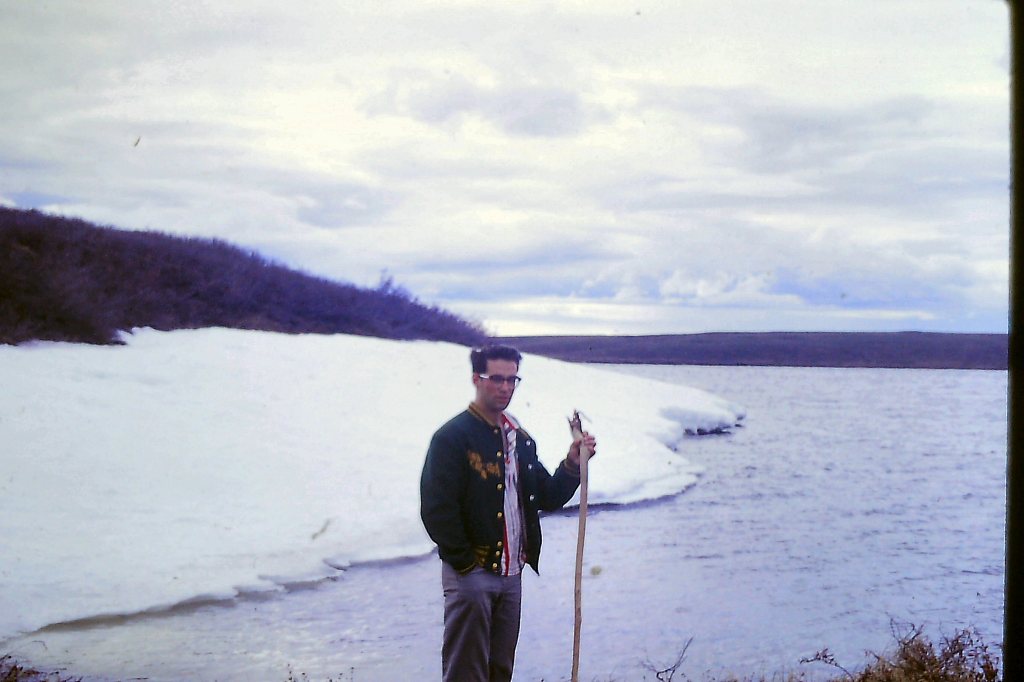
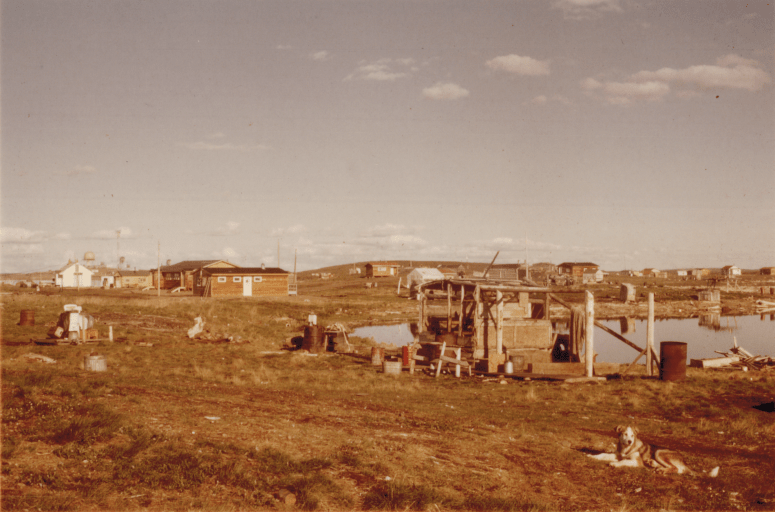
Photo by J.L. Ares.
The kids loved candies and pop, not the greatest for their teeth. The Inuit children were most delightful, friendly and eager to see you and have their photos taken. It still warms my heart when I remember meeting these Inuit children. I loved a photo of a young Inuit girl enjoying an Orange Crush on the doorstep of the Hudson Bay store. This vintage Orange Crush bottle would now be close to 60 years old. It would now sell for $40.00 Canadian on eBay.

These antique Orange Crush bottles now sell for $40.00 on E Bay??
Photo by J.L. Ares.
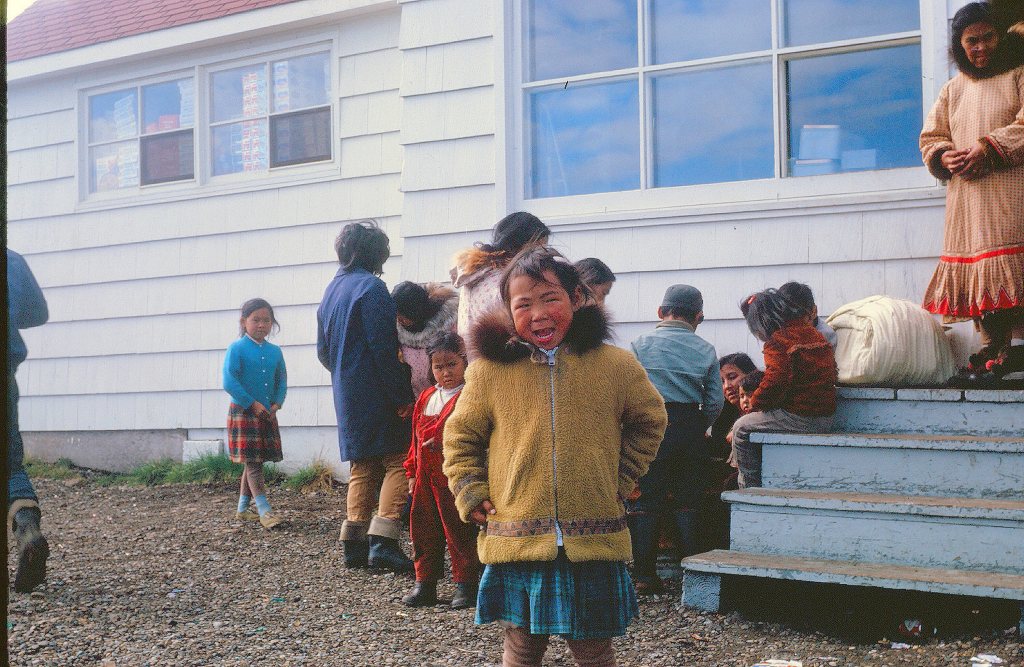
in Tuktoyaktuk. photo by J.L. Ares.1961.
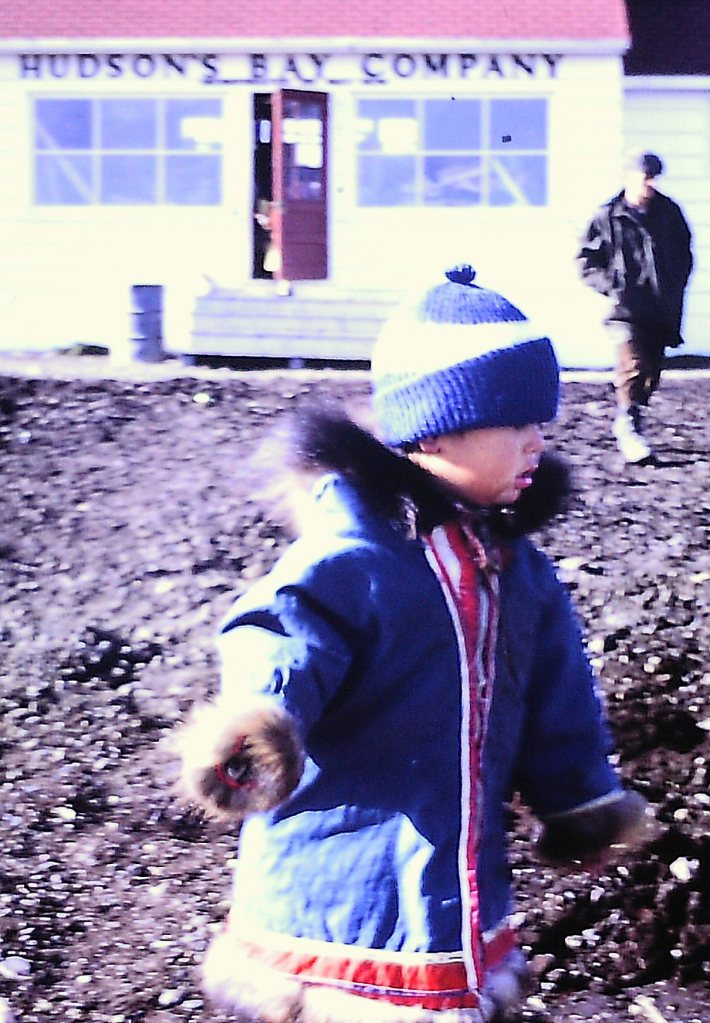

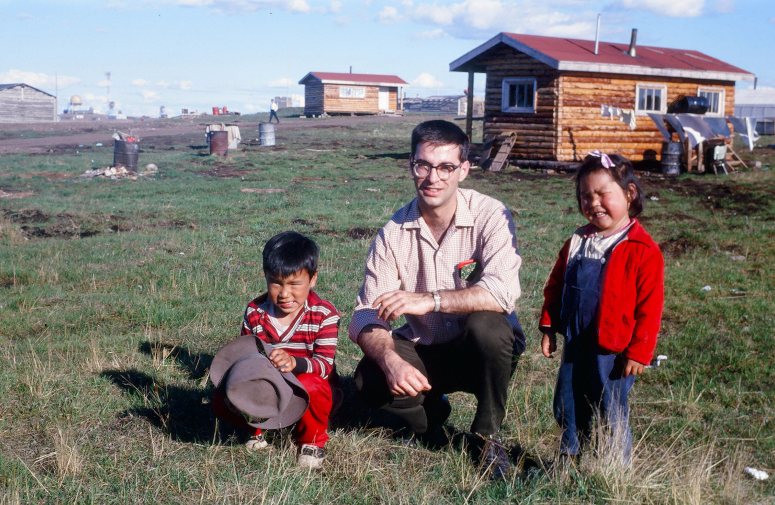

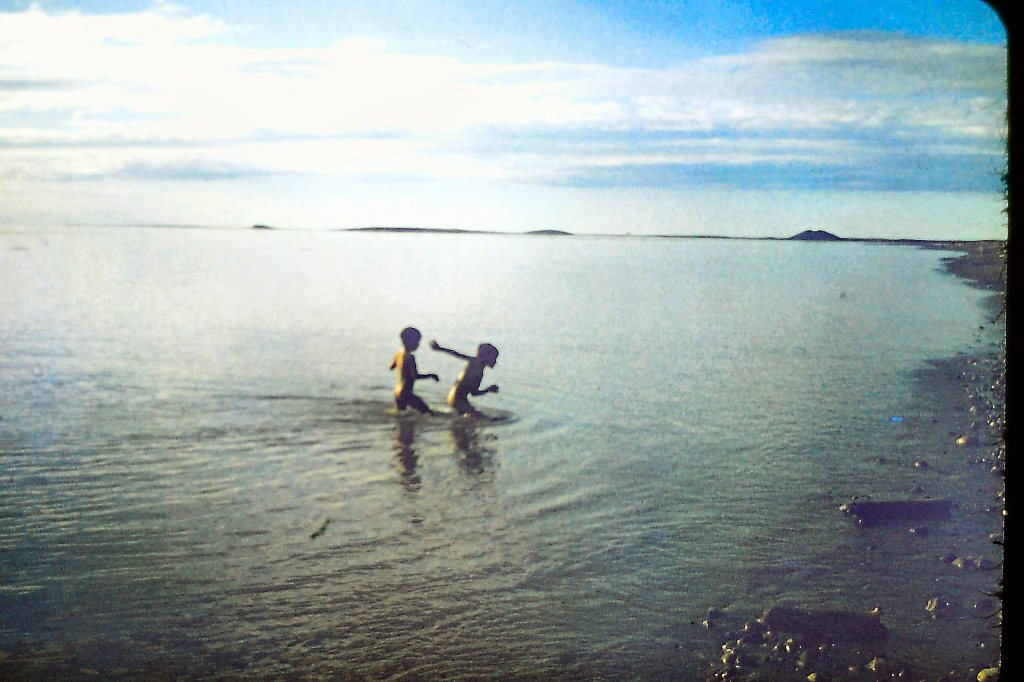
Photo by J.L. Ares.
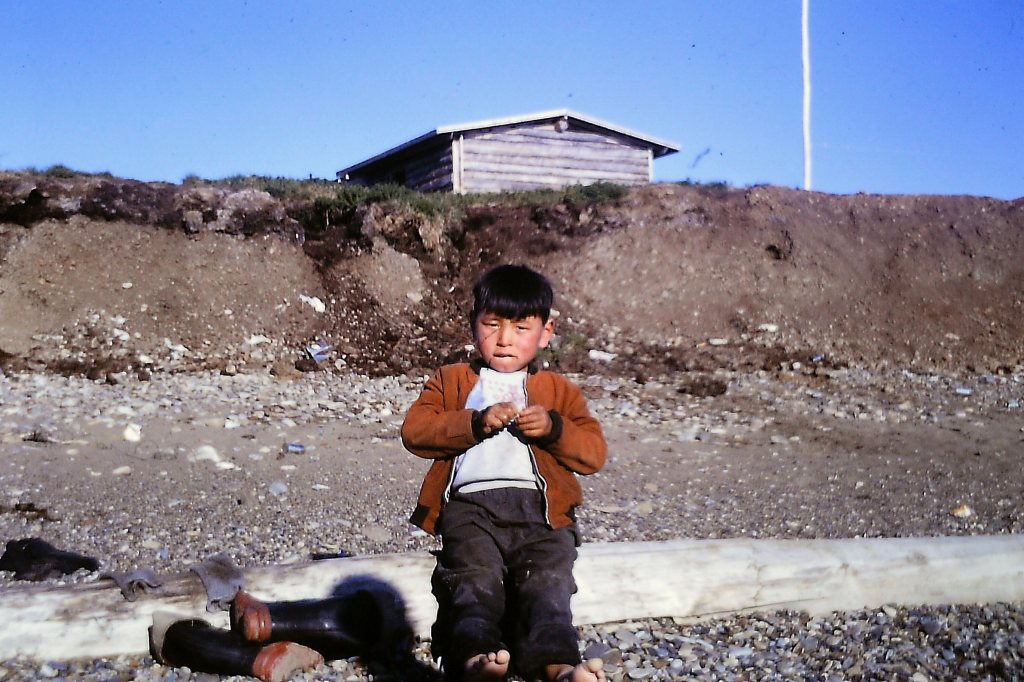

Photo by J.L. Ares. 1961.
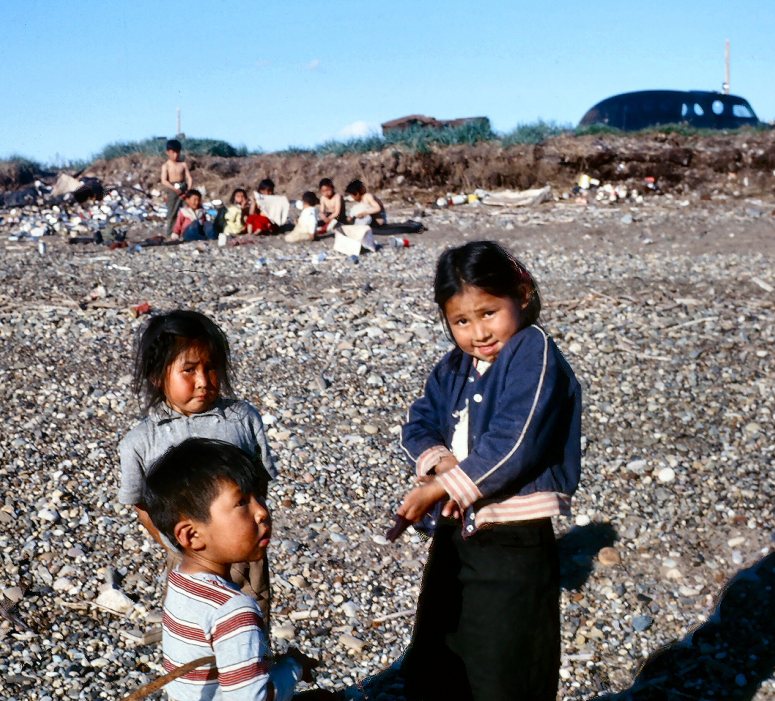
Note the Bombardier at the top right. Photo by J.L. Ares. 1961.

It was really cool at that time and used to bring emergencies and very sick people to the hospital in Tisdale about 50 Km away. When the roads were drifted in and impassable this snowmobile would easily drive through the fields of snow. They were a savior and likely used a lot in the Arctic in the wintertime.
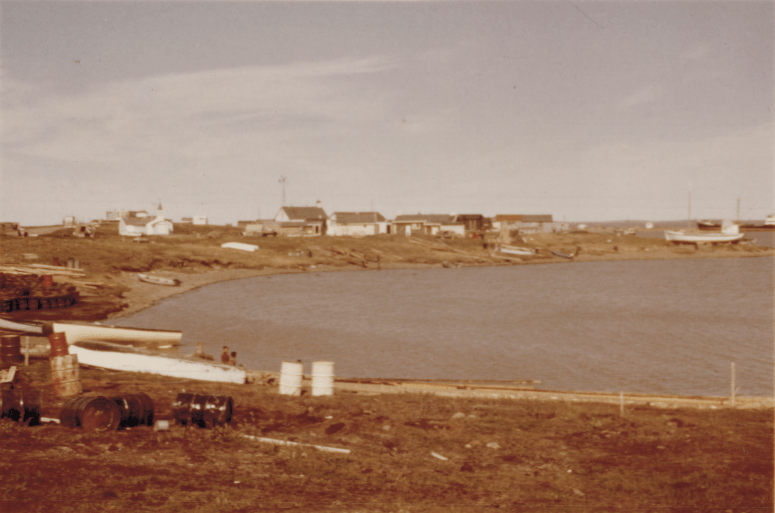
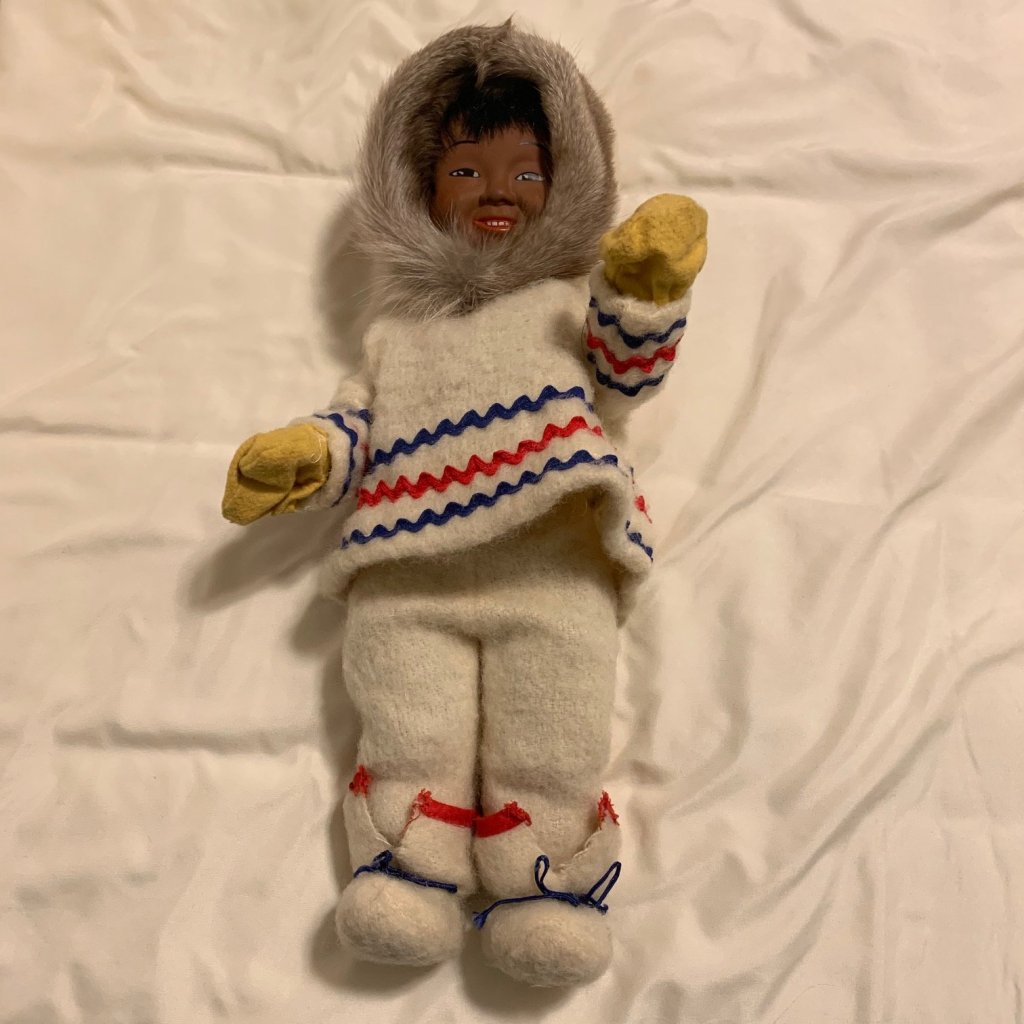
The adults were also very friendly and always smiling, even if some’s teeth were not the greatest! At the store we would look at muk-luks, parkas, mitts with a fancy attachment around the head for both hands, and Inuit fur dolls made by local Inuit artisans, also various pieces of soapstone carvings. I did purchase some of these which I have to this day. All of us bought T-shirts with the logo “TUK U” on them!
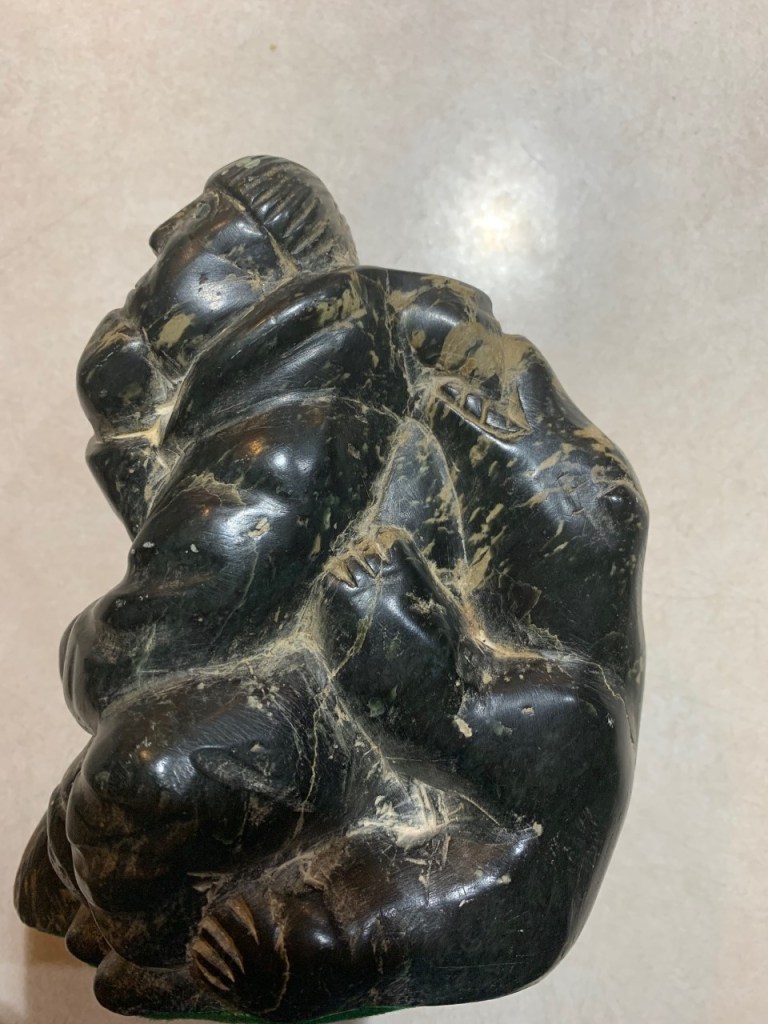



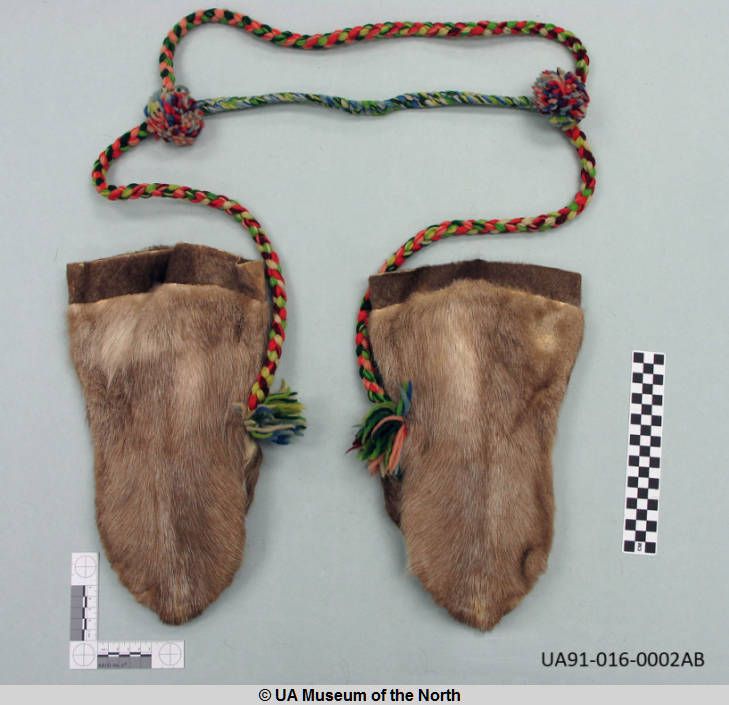
Courtesy of Alaska’s Digital Archives. Univ. of Alaska.

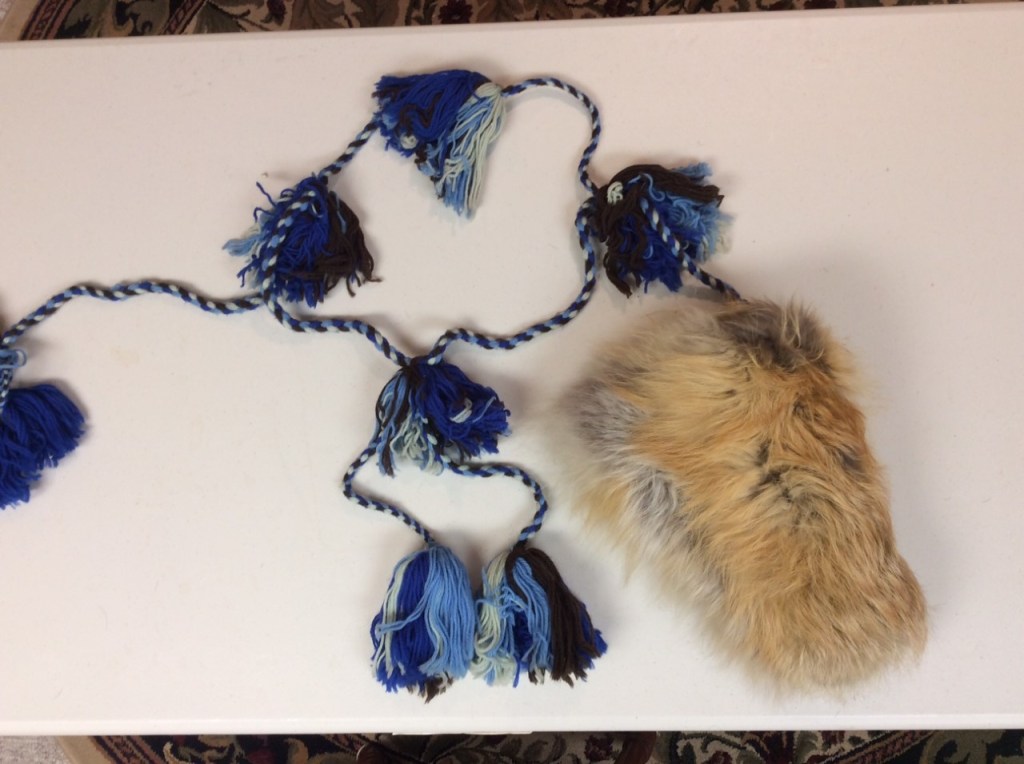

Photos by J.L. Ares. 1961.
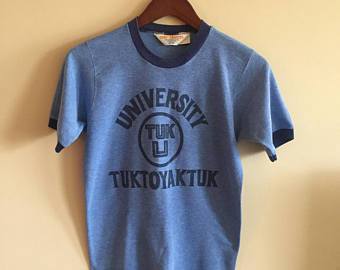

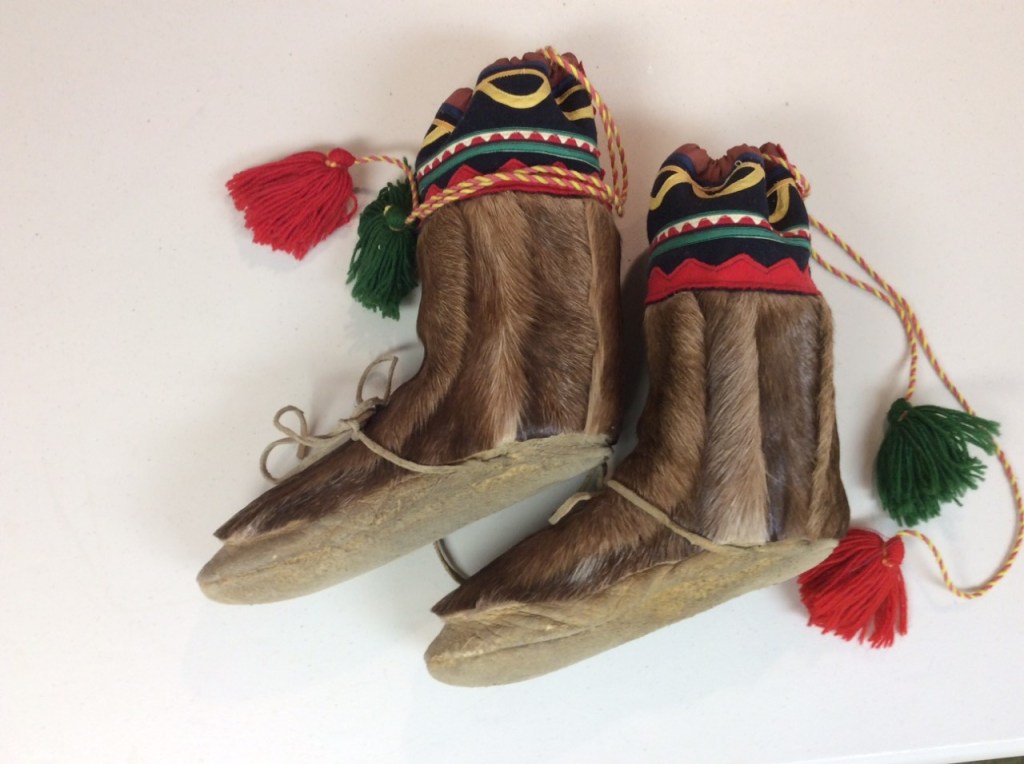

I had a similar one given to me by my brother Richard Ares who worked for a few years in Frobisher Bay, now called Iqaluit and the capital of Nunavut.
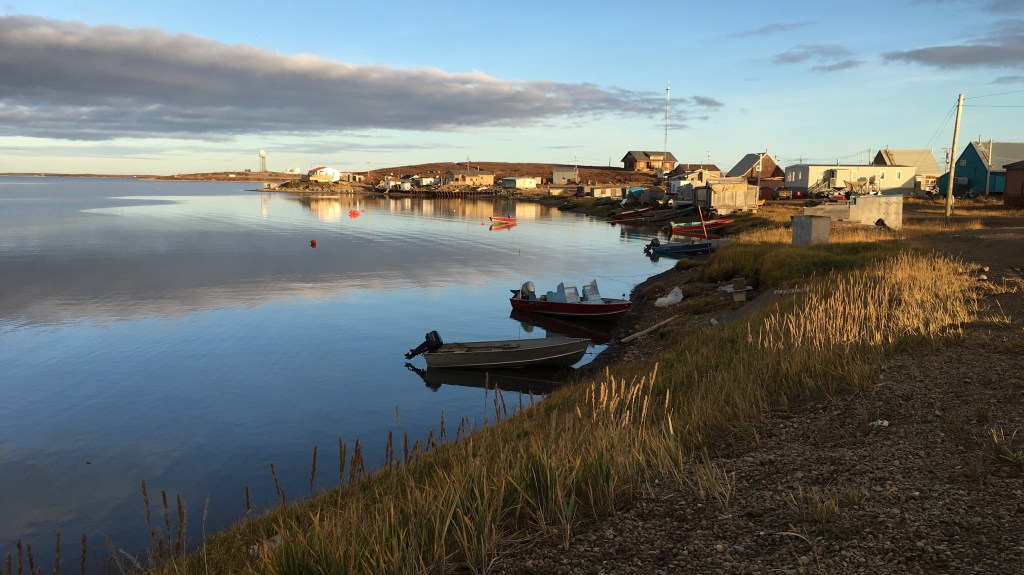
It was neat walking around Tuk, seeing the Inuit houses, their boats and motors on shore, the husky dogs tied up in a row with chains. Those Husky dogs were lean and mean and we had to stay out of their perimeter. You could tell exactly how far the chains would allow them to roam by the concentric worn paths they made. So we would stay and watch them just far enough away out of reach so they could not get at us.

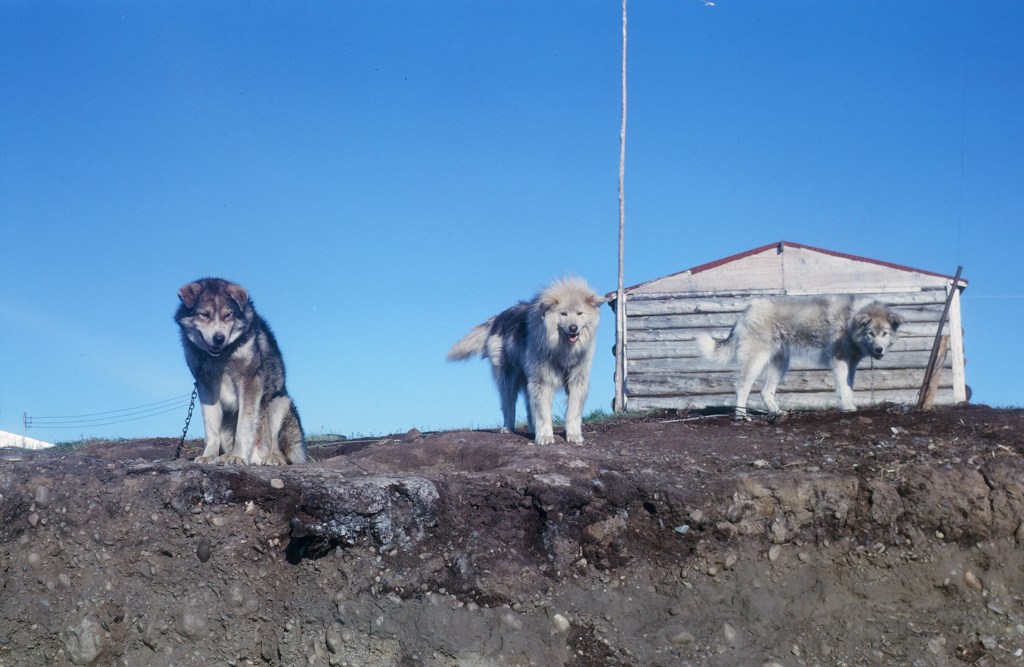
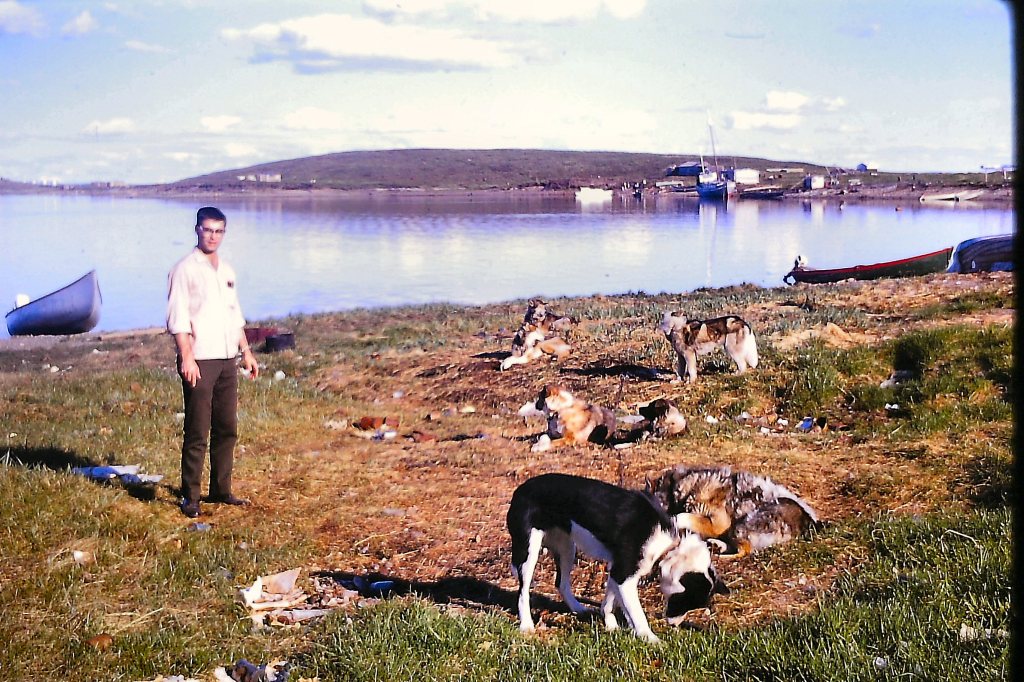
I took a few photos of Inuit with their sleds pulled along on the ice by a team of Husky dogs.

Now they are replaced with snowmobiles and ATV’S.
Photo by J.L. Ares.

Photo by J.L. Ares.
In the early 60’s there were not many snowmobiles, Skidoos or Quads being used for transportation. Now they are commonplace.
Tuktoyaktuk is famous for its pingos and now a Canadian landmark. There are 3 really close to Tuk. A few photos shown below.
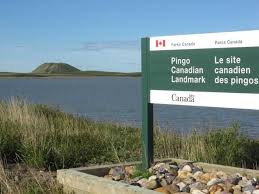

The Inuit would use pingos as a refrigerator ,make a suitable door and things would be kept cool inside, especially in the summer. Wikipedia and Spectacular NWT.
Later on, once the ice was gone, we would get a ride on one of the LCM’s which was faster. Each LST had 2 LCM’s and I have many photographs of these. They would serve as lifeboats as well as transportation and as a tug boat when guiding ships especially into the drydock.

Photo by J.L. Ares.
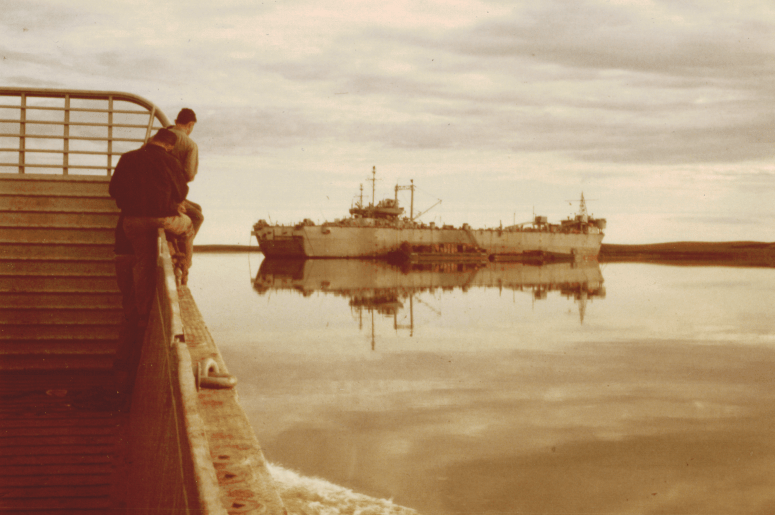
Photo by J.L. Ares.
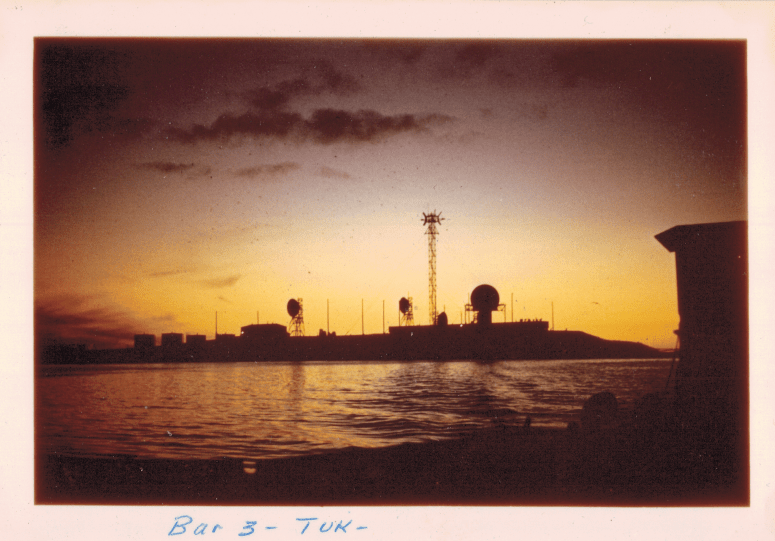
On the way to Tuktoyaktuk we would pass the Bar 3 DEW radar site and I took quite a few pictures of this site at different times of the days.
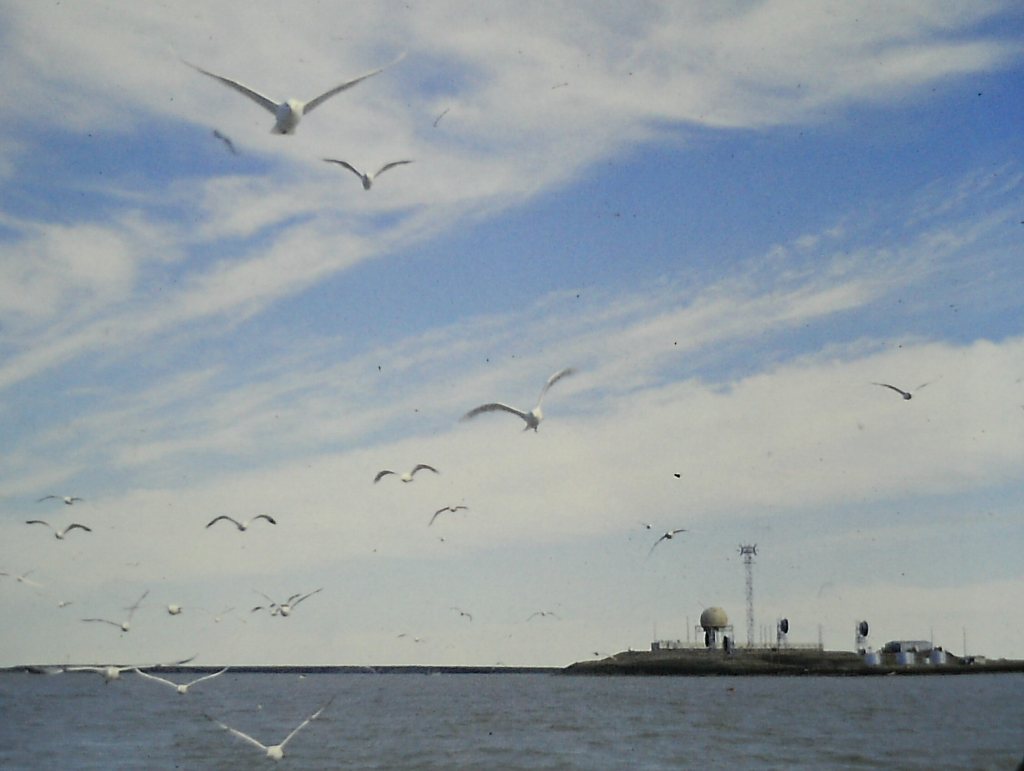
Bar 3 DEW line radar site in the background. Photo by J.L. Ares
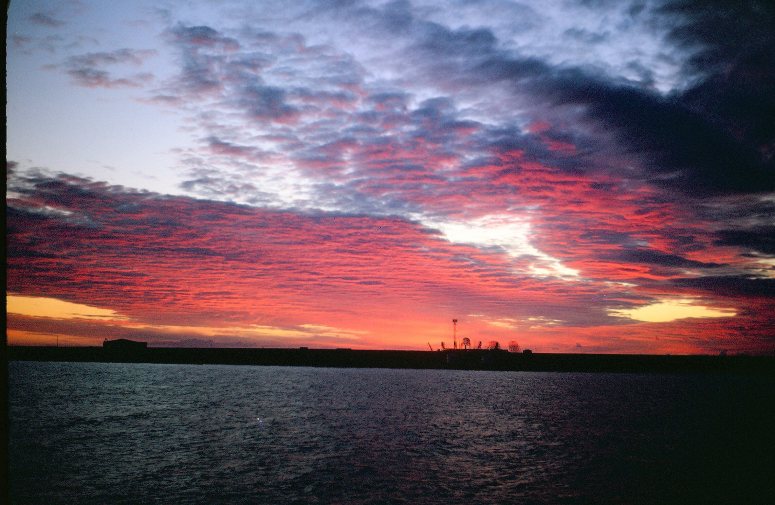
Photo by J.L. Ares. 1961.
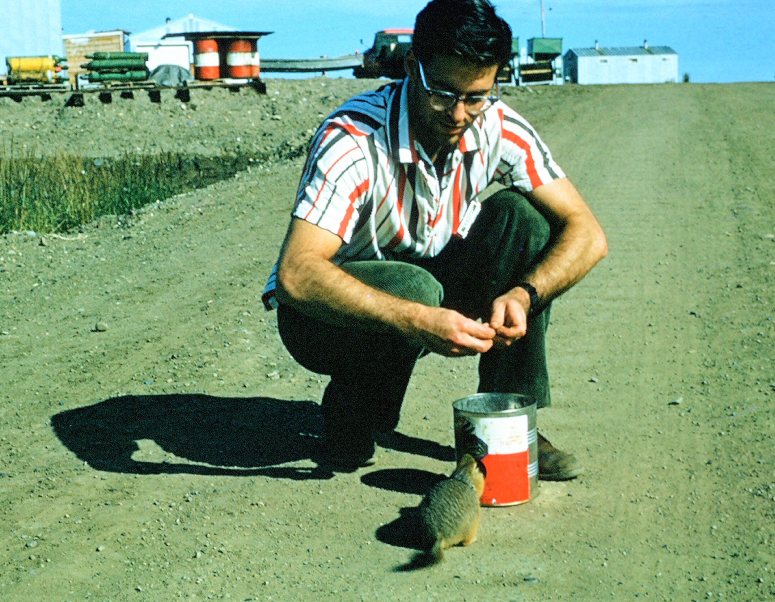
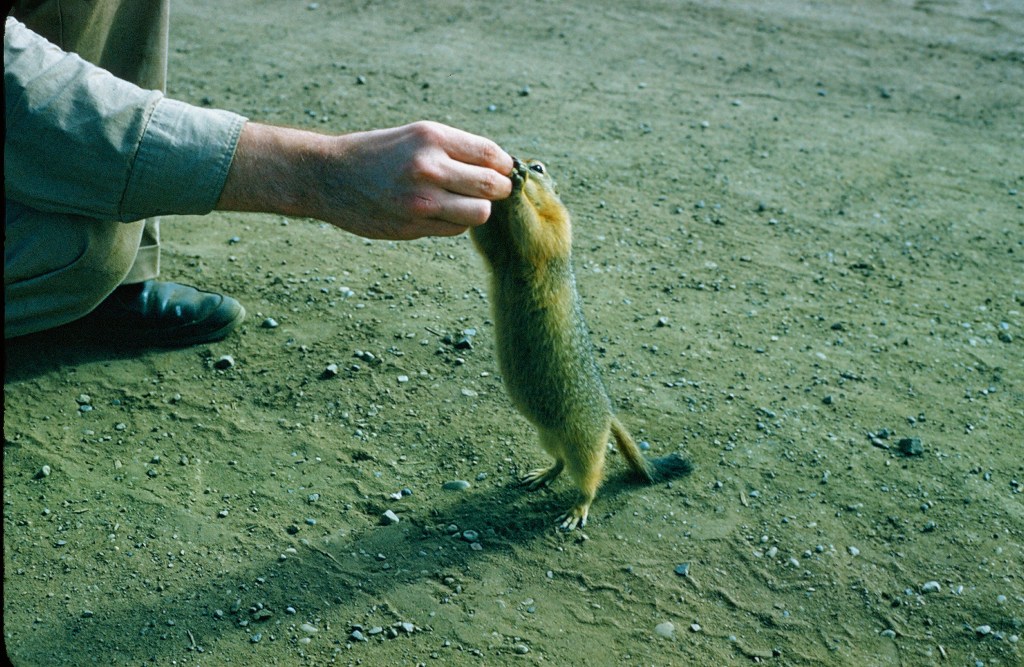
Near the storage tanks on shor We would feed the very tame Arctic ground squirrels at the NTCL base camp.
Visiting the Tuk cemetery was a sad experience as we saw many old crosses indicating that many Inuit and especially lots of children had died very young, many years ago, because of white man’s diseases such as tuberculosis, smallpox, measles and flu. The Inuit had no immunity in the early 1900’s to our white man’s communicable diseases.
On another visit to Tuktoyaktuk, we saw Father Lemaire , with his pipe, watching the local Inuit carving up white beluga whales in the water next to shore. They gleefully offered us some cut up pieces of whale blubber (muktuk). We declined, afraid of raw meat, and never having tried such an Inuit delicacy.

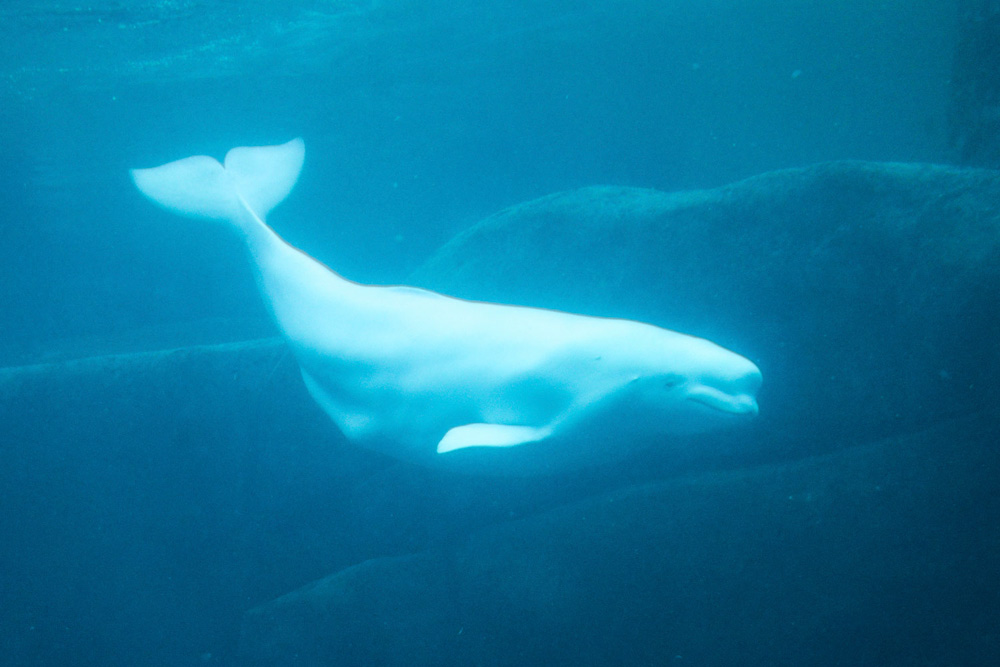
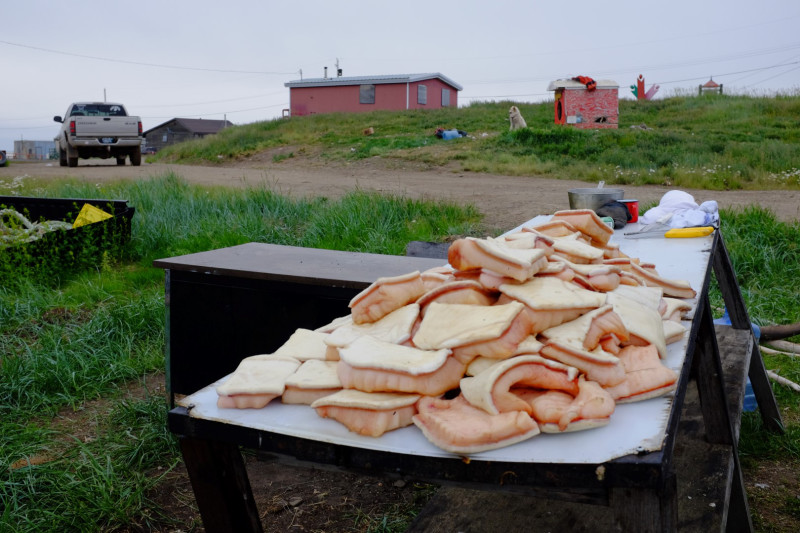
Photo by cryopolitics. wordpress.com
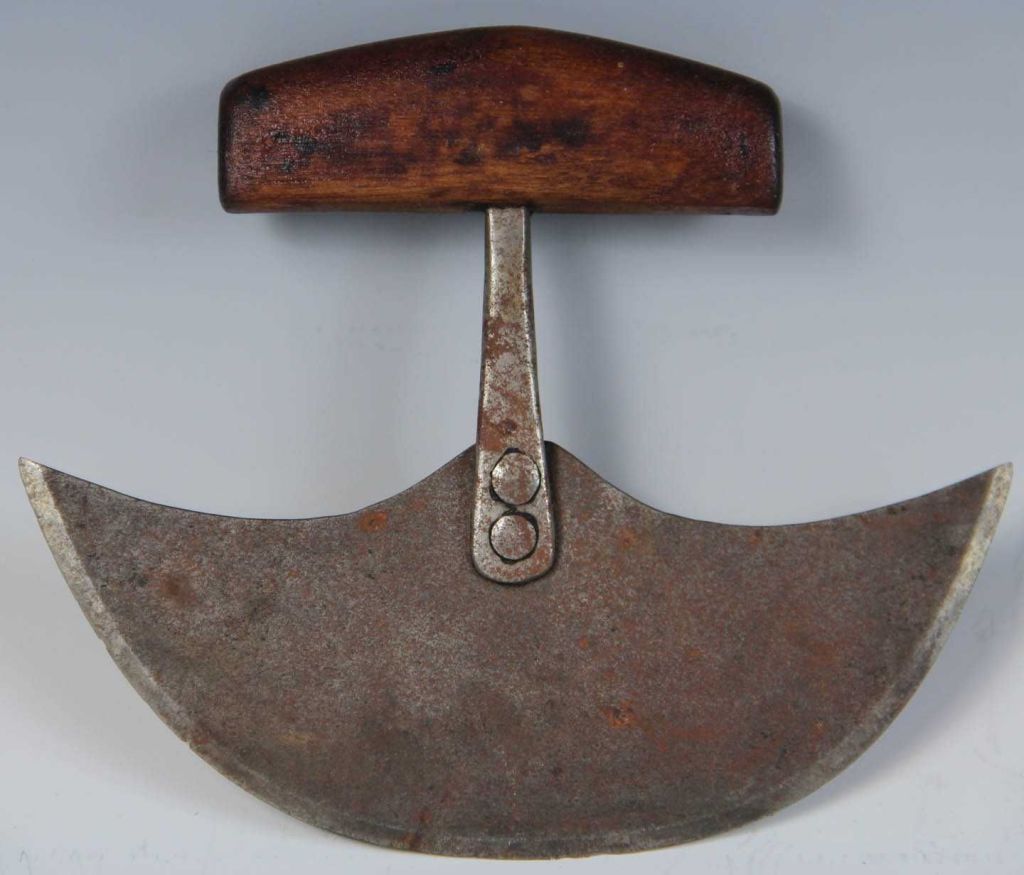
Photo by Wikipedia.

Dried Arctic char is called “pitsi” and the Inuit will store this and use it as food during the long Arctic winters.
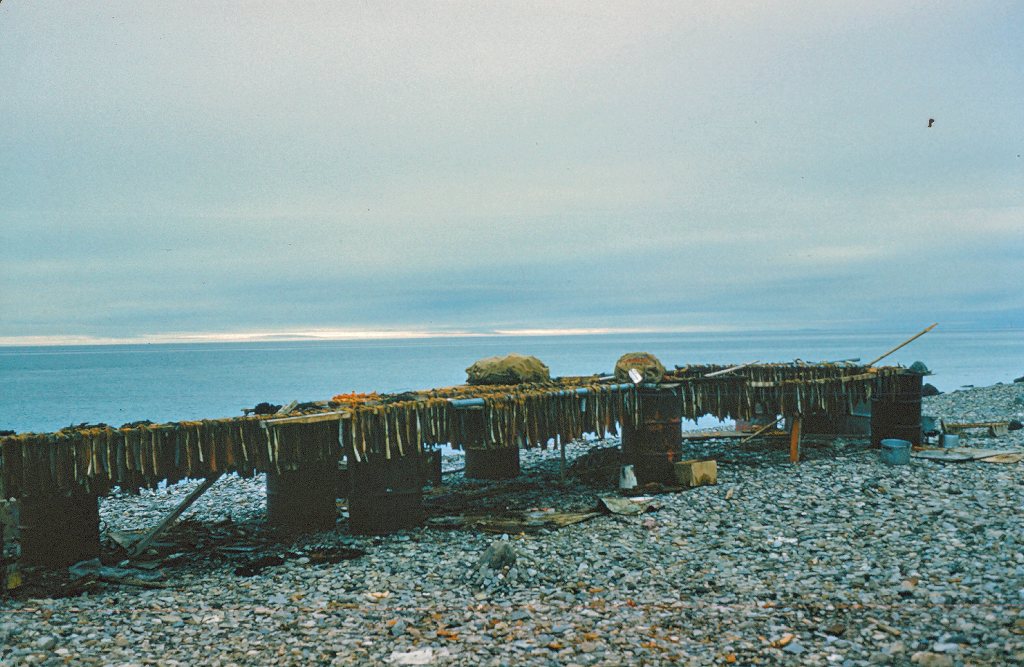
Muktuk is made from the skin and blubber of the belugas. It is usually eaten raw and is a great source of Omega 3 fatty oil and vitamin D. Today it can be eaten finely diced, breaded, deep fried and eaten with soya sauce. Father Lemaire was the Catholic priest serving the parish of Our Lady Of Grace church in Tuk.
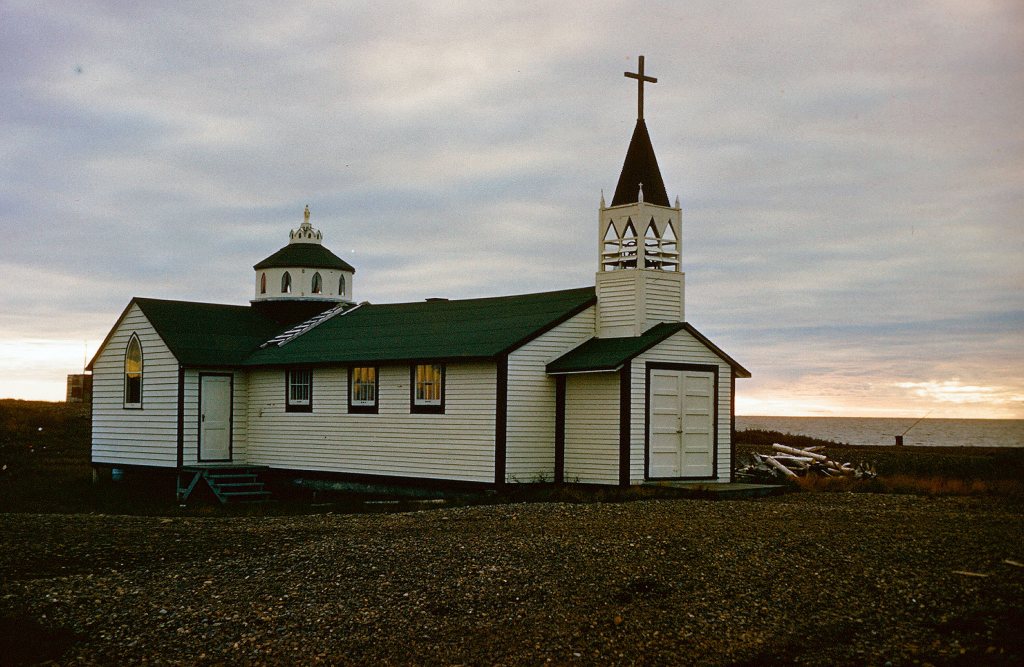
We also saw how the Inuit dried cut up strips of fish. The fish were filleted in half, similar to butterflied, and hung by the tails on long wooden poles above ground. I have photos taken of this. Some of the fish could be smoked as well. This would become welcome food during the long Arctic winter months.
At NTCL base camp we had fun feeding the tame Arctic ground squirrels called sik-sik by the Inuit). During the summer that year I received a letter from the University of Alberta that I had been accepted into First Year Dentistry. I was elated and could not wait to return to Edmonton in mid-September to enroll. We said “goodbye” to the ships in Tuk Harbour.


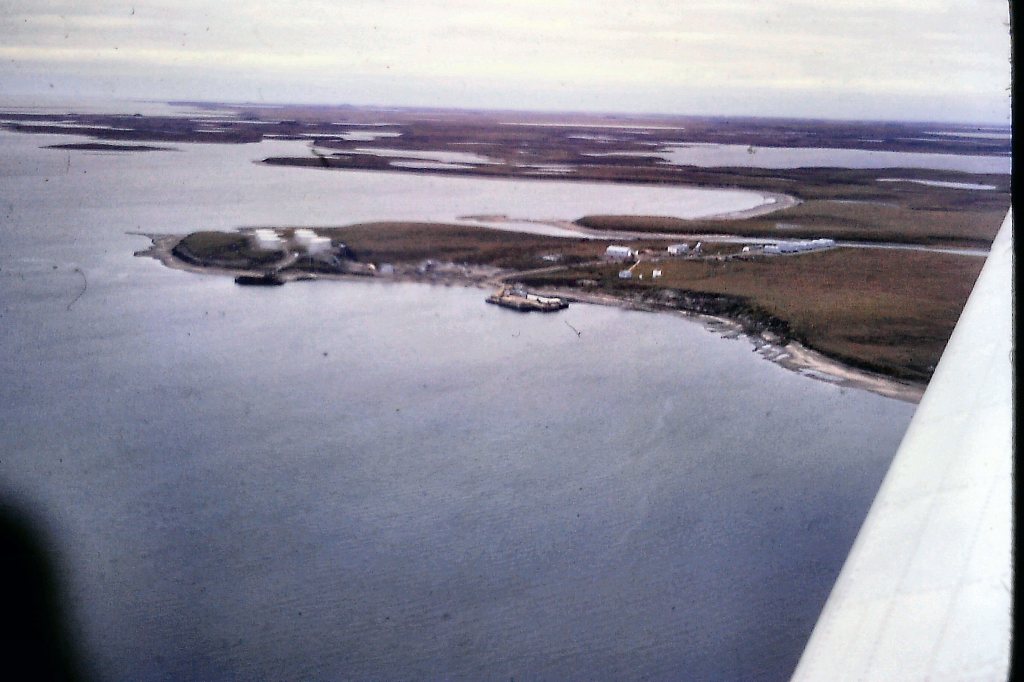
Flying over the NTCL base camp on leaving Tuktoyaktuk. photo by J.L. Ares. 1961.

photo by J.L. Ares.1961.

++++As a footnote to the ARD 31. Of interest is the following information from Willie Coco.
http://www.wcoco@safeboats.com
He says: I have located the ARD 31. It is with the Mexican Navy in the shipyards in Tampico. It has been renumbered as ADI 05.
OUR LADY OF LOURDES SCHOONER
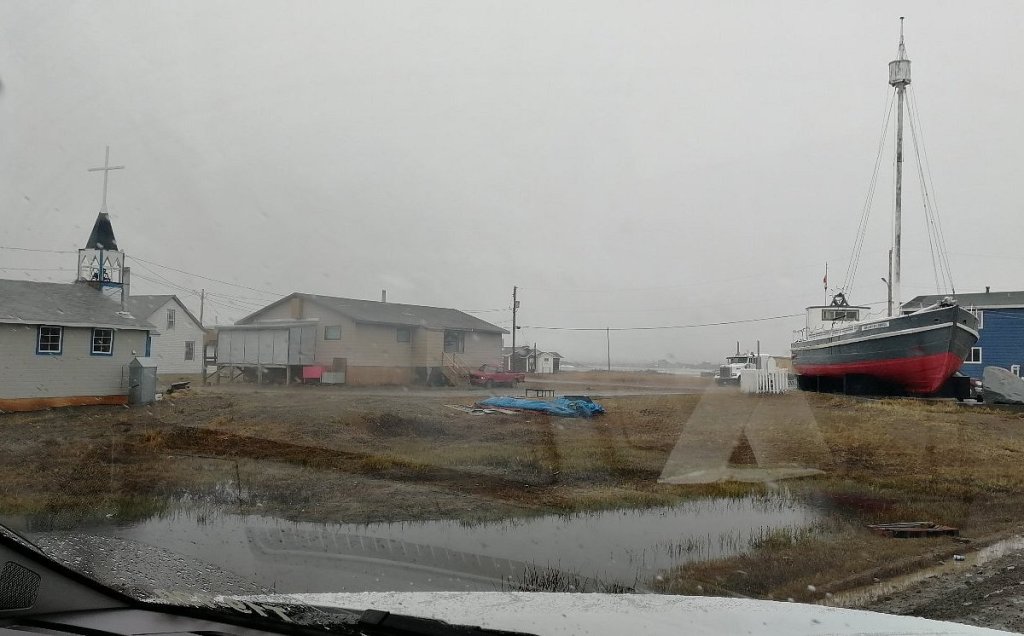

Not far from the Roman Catholic church is the final resting place of this very important schooner. The Catholic church raised the necessary $20,000.00 for the construction of this vessel. From 1930 on, she was owned by the Oblate Fathers of Mary Immaculate based in Aklavik, later by the Roman Catholic Missions in Yellowknife, NWT. She was initially based at Lettie Harbour then later to Paulatuk, eventually she was moved to Tuktoyaktuk in 1940. She would take mission supplies out in the spring and bring school children in the fall to the residential school in Aklavik and some went on to Hay River. The children did not travel home to their parents very often. Some were kept in the mission school for 7 or 8 years before returning home to see their parents. The schooner was used from 1931 to about 1955. In 1978, Dome Petroleum put her on blocks and put a bronze plaque in front as a monument to Tuktoyaktuk. Referrence Norman Brouwer 1963.
The Community Ice House
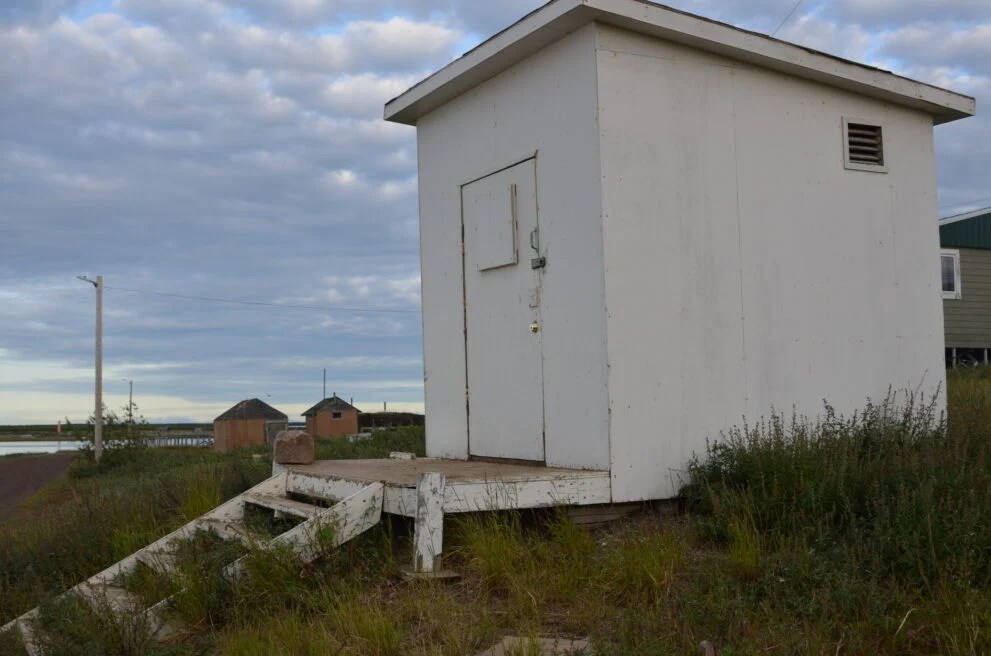
This was the community freezer. The entrance looks like an outhouse but inside you descend on a ladder into a tunnel system excavated 30 feet into the permafrost. The temperature is a constant -15 C and villagers store their catch down there. You need a local guide to get in. The ice house was closed down in 2018 for safety reasons.
THE SOD HOUSE
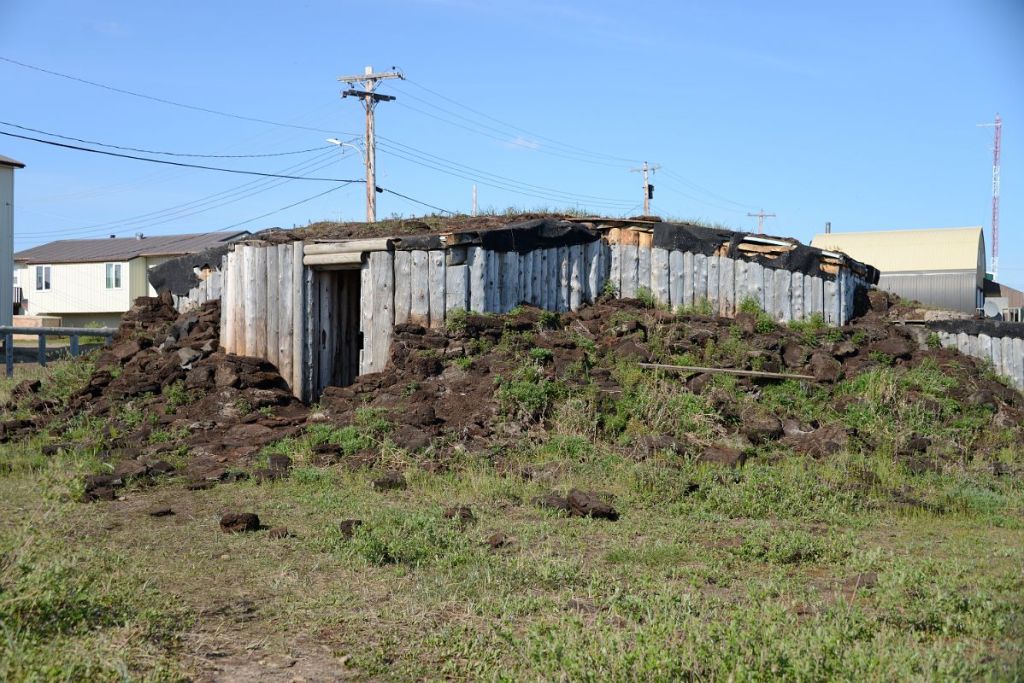
The sod houses were very popular many years ago, now not so much since the 50’s with more modern buildings. You could see remnants of these in Tuk. Ice House and Sod House photos by Lonely Planet.
 DEW Line Radar Sites 1961-63